
Most people think of stress as a feeling - anxious, overwhelmed, tense. But your body registers stress as a physical event, and it starts adapting to it long before you consciously notice anything is wrong. The signals are there. They just tend to get explained away as something else.
This self-assessment covers seven physical signs that chronic stress may already be running in the background. None of them require a lab test. They are patterns you can observe in your own daily experience right now.
Sign 1: You wake up tired even after a full night of sleep
Chronic stress disrupts sleep architecture - the cycle of light sleep, deep sleep, and REM sleep that your body moves through each night. Even if you sleep 7 or 8 hours, elevated cortisol can suppress the deeper stages of sleep where physical and cognitive restoration actually happens. You get the quantity without the quality.
If you wake up and your first thought is that you need more sleep, that is worth noting. It is one of the earliest and most consistent signs that stress is affecting your body health, not just your mood.
Sign 2: Your muscles are tense when you have not been exercising
Stress triggers a physical bracing response - your muscles contract in preparation for action. When stress is chronic, this response never fully switches off. The result is persistent tightness, usually in the shoulders, jaw, neck, or lower back, that has nothing to do with how much you worked out.
Progressive muscle relaxation, one of the first techniques in a structured stress reduction approach, works specifically because chronic muscle tension is a physical pattern, not a feeling. If you carry tension in the same spots every day, stress is a likely driver.

Sign 3: Small decisions feel harder than they should
Stress degrades prefrontal cortex function - the part of your brain responsible for planning, focus, and decision-making. Under chronic stress, even low-stakes choices (what to eat, what to reply, which task to start) require noticeably more effort. This is not a willpower issue. It is a neurological effect of sustained cortisol elevation.
If you notice yourself stalling on routine decisions, losing your train of thought mid-sentence, or feeling mentally foggy in the afternoon, chronic stress is worth examining as a root cause.
Sign 4: Your eating patterns shift without a conscious reason
Stress directly affects appetite regulation and food choices. Some people stop feeling hungry. Others reach for quick, high-calorie foods at times they would not normally eat. Both are stress responses - your body trying to manage energy under a perceived threat.
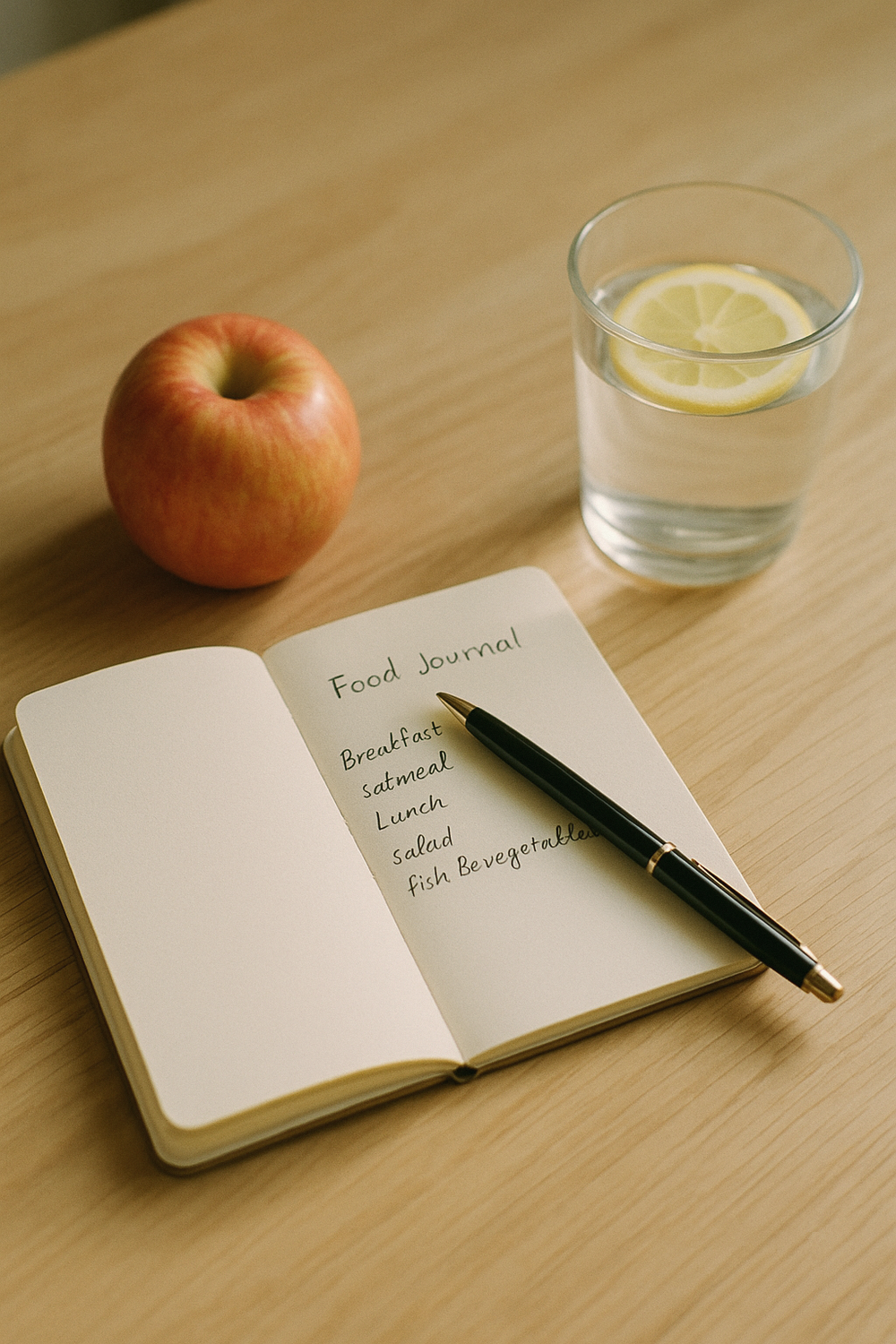
Keeping a simple food log for one week - not to count anything, just to notice patterns - can reveal stress-driven shifts you had not been paying attention to.
Sign 5: You recover more slowly after physical activity
Cortisol is catabolic, meaning it breaks tissue down rather than building it up. When cortisol stays elevated due to chronic stress, your body's ability to recover from exercise slows significantly. Muscles stay sore longer, energy does not return as quickly after workouts, and you may find your usual training feels harder than it used to.
Nutrition changes are one of the clearest early indicators of chronic stress because they happen automatically. You do not decide to eat differently - your body shifts the pattern on its own. A structured stress reduction plan addresses nutrition as a direct component, not an afterthought, because what you eat under stress both reflects and reinforces the stress cycle.
Wellbody builds the system for you.
3 daily actions across fitness, nutrition, mindfulness, and recovery.


This is one reason why adding more exercise is not always the right response to low energy. If chronic stress is already taxing your recovery capacity, more physical demand without addressing the underlying stress can make things worse.
Sign 6: You get sick more often or stay sick longer
Chronic stress suppresses immune function. Cortisol, which is anti-inflammatory in the short term, becomes pro-inflammatory when it stays elevated over weeks or months. The result is increased susceptibility to common infections, slower healing, and a general sense of being run-down that does not quite clear.
If you have been catching every cold that comes through, or if a minor illness is taking longer than usual to resolve, your immune system may be operating under a stress load it cannot fully compensate for.
Sign 7: You feel irritable or reactive in situations that normally would not bother you
When your body is chronically stressed, your threat-detection system becomes oversensitive. Small frustrations register as bigger problems. You snap at things that would not usually register. You feel a disproportionate spike of annoyance or anxiety in response to minor events.
This is not a personality trait. It is a stress response pattern that becomes habitual when the nervous system spends too long in high-alert mode. Mindfulness meditation in the early stages of stress reduction works partly by training the nervous system to pause between stimulus and response - which becomes noticeably easier once the baseline stress load comes down.
What to do if you recognized yourself in these signs
Recognizing these signs is the first step a structured stress reduction plan is built on. Phase 1 of a good approach starts small - a daily stress journal to surface triggers and patterns, 5 to 10 minutes of deep breathing, 5 minutes of mindfulness, and light physical activity a few times a week. The goal is not to eliminate stress in week one. It is to build consistent practices that lower your baseline load over time.
If three or more of these signs feel familiar, your body is telling you something worth listening to. The good news is that each of these signs is reversible - and the tools that reverse them are more accessible than most people expect.
About Wellbody
Wellbody is a body-health app that replaces the stack. One goal. Three daily actions. Fitness, nutrition, mindfulness, and recovery - connected behind the scenes so you don't have to manage the pieces. The plan adjusts around what you actually did today, and grows with you: month six looks nothing like month one. No dashboards, no re-planning. You just keep showing up.