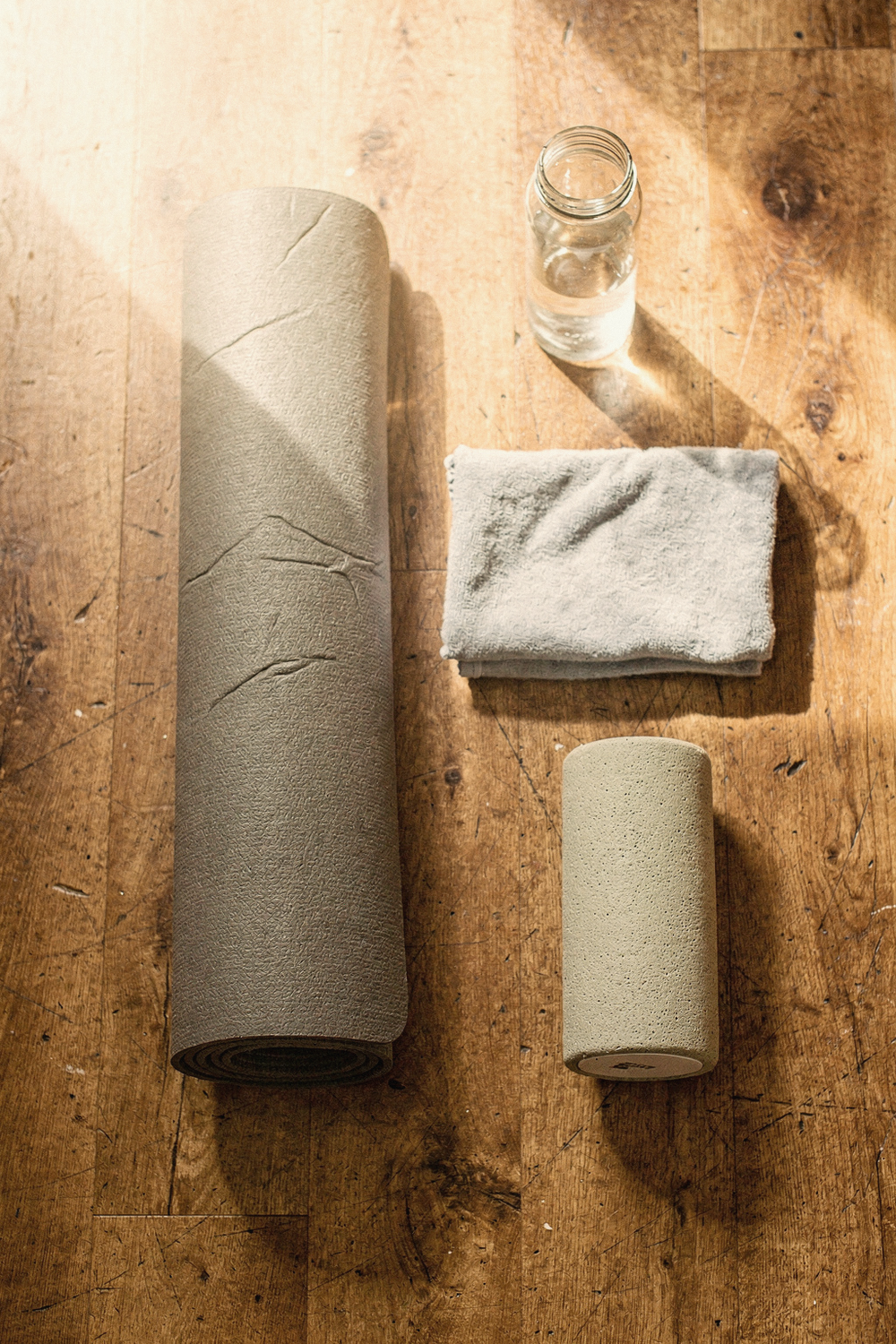
Ask two people what core training means and you will get two very different answers. One pictures crunches, sit-ups, and the slow grind toward visible abs. The other pictures planks, balance work, and the kind of midsection that keeps you steady when you lift a toddler or twist to grab something from the back seat.
Both call it core training. Both are convinced the other approach is a waste of time. And most people quietly default to whichever one they grew up believing, then wonder why their results stall or why their back still aches after a long day.
So which one actually matters? Let us take both sides seriously before we settle it.
The case for core workouts
The appeal of traditional core workouts is obvious. They are simple, measurable, and motivating. You can count reps, feel the burn, and watch the mirror change over time. There is a clear target - a tighter, more defined midsection - and a clear way to chase it.
There is real substance underneath the aesthetics too. Working the abdominal muscles directly does build them. Movements that flex and hold the trunk strengthen the muscles you can see, and that visible progress is a powerful reason to keep showing up. Motivation matters, and few things motivate like watching your own body respond.
A structured plan respects this. Even a program built around deeper stability still opens with straightforward, repeatable moves - planks, side planks, dead bugs - because they are easy to learn, easy to measure, and they give you an honest baseline. You cannot build anything advanced on a midsection you have never actually engaged on purpose.
The case for functional core training
Now consider the other side. Your core does far more than look good in a photo. It is the link between your upper and lower body, the part that keeps your spine stable while everything around it moves. Functional core training is built around that job.
Instead of isolating the abs, functional work trains the whole midsection to brace, resist, and rotate the way real life demands. In a phased plan this shows up clearly. Foundation Building pairs planks and dead bugs with bodyweight squats and glute bridges, treating the core as part of a larger chain rather than a single muscle group. It even includes diaphragmatic breathing, because how you breathe changes how well your deep core engages.
Later, the Functional Integration phase pushes further into movements that mimic daily activities - rotational work and single-leg patterns that challenge your balance and control. The payoff is not a number on a fitness app. It is carrying groceries up stairs without straining, sitting through a long workday without your lower back protesting, and moving through ordinary days with a strong, stable midsection that quietly does its job.
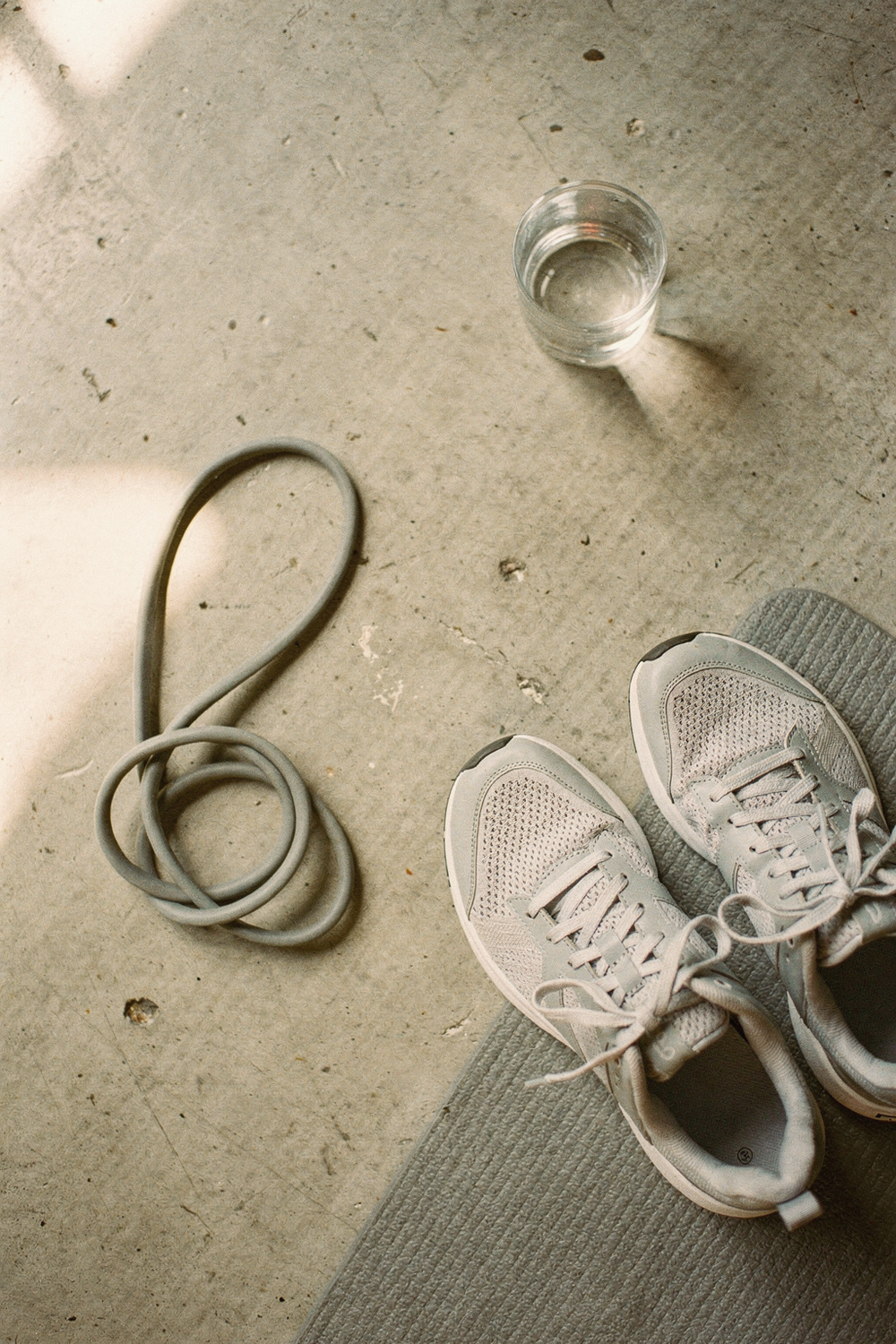
Why the debate falls apart
Here is what is interesting about both arguments: neither one survives on its own.
Pure aesthetic core work builds muscles that look trained but may not actually stabilize you under load. You can have visible abs and still tweak your back reaching for a bag, because endless crunches never taught your trunk to brace and resist. Strength you cannot use is mostly decoration.
But pure functional training has a blind spot too. Stability work that ignores the simple, satisfying basics is harder to stay motivated by, and it skips the foundational engagement that makes advanced movement possible. The plank that builds a flatter-looking middle is the same plank that teaches your deep core to hold tension. The two goals are not enemies. They are using the same muscles for different reasons.
A core you can see and a core you can use are not opposites. The same foundational movements build both - which means the real question was never which to pick, but how to sequence them so each one reinforces the other.
What a structured plan reveals
Wellbody builds the system for you.
3 daily actions across fitness, nutrition, mindfulness, and recovery.


The clearest evidence that this is not an either-or choice comes from watching how a real progression is built. A functional core goal does not skip the basics to chase stability, and it does not stop at appearance once the basics are in place. It moves through both, in order.
The Foundation Building phase, the first four to eight weeks, looks a lot like a traditional core workout - planks, squats, glute bridges - but the intent is broader from day one. Each movement is teaching engagement and control, not just chasing fatigue. Then later phases layer in resistance and rotation, turning that foundation into stability you can actually use when life gets unpredictable.
That sequence is the tell. The look and the function are not two competing programs. They are two stages of the same one.

The system behind a strong midsection
There is one more thing both camps tend to miss. A strong core is not built by abdominal work alone. In a structured plan, recovery is a partner pillar from the very first week. Hydration, sleep, and post-session stretching show up in the sample week right alongside the core themes, and a rest-and-reflect day is treated as part of the work, not a break from it.
That is because the muscles you train get stronger while you recover, not while you strain. Sleep supports the rebuild. Hydration keeps tissue and joints working well. Mindful movement and reflection keep you consistent enough to see any of it through. A midsection that holds up under real life is a system, not a single exercise.
What this means for you
If you only chase the look, you are building a core that performs in the mirror but may let you down when you actually need it. If you only chase function and skip the simple, visible wins, you may struggle to stay motivated long enough to get there. Either way, you are training half a core.
The better question is not core workouts or functional core. It is what order, at what pace, supported by what kind of recovery. Start with the foundation, earn your stability, and let the appearance follow as a side effect of a midsection that genuinely works.
Three actions a day, no gym required, is enough to build that. You do not have to design the crossover yourself - you just have to start at the foundation and keep going. The strong, stable middle you are after is the same one that ends up looking the part.
About Wellbody
Wellbody is a body-health app that replaces the stack. One goal. Three daily actions. Fitness, nutrition, mindfulness, and recovery - connected behind the scenes so you don't have to manage the pieces. The plan adjusts around what you actually did today, and grows with you: month six looks nothing like month one. No dashboards, no re-planning. You just keep showing up.