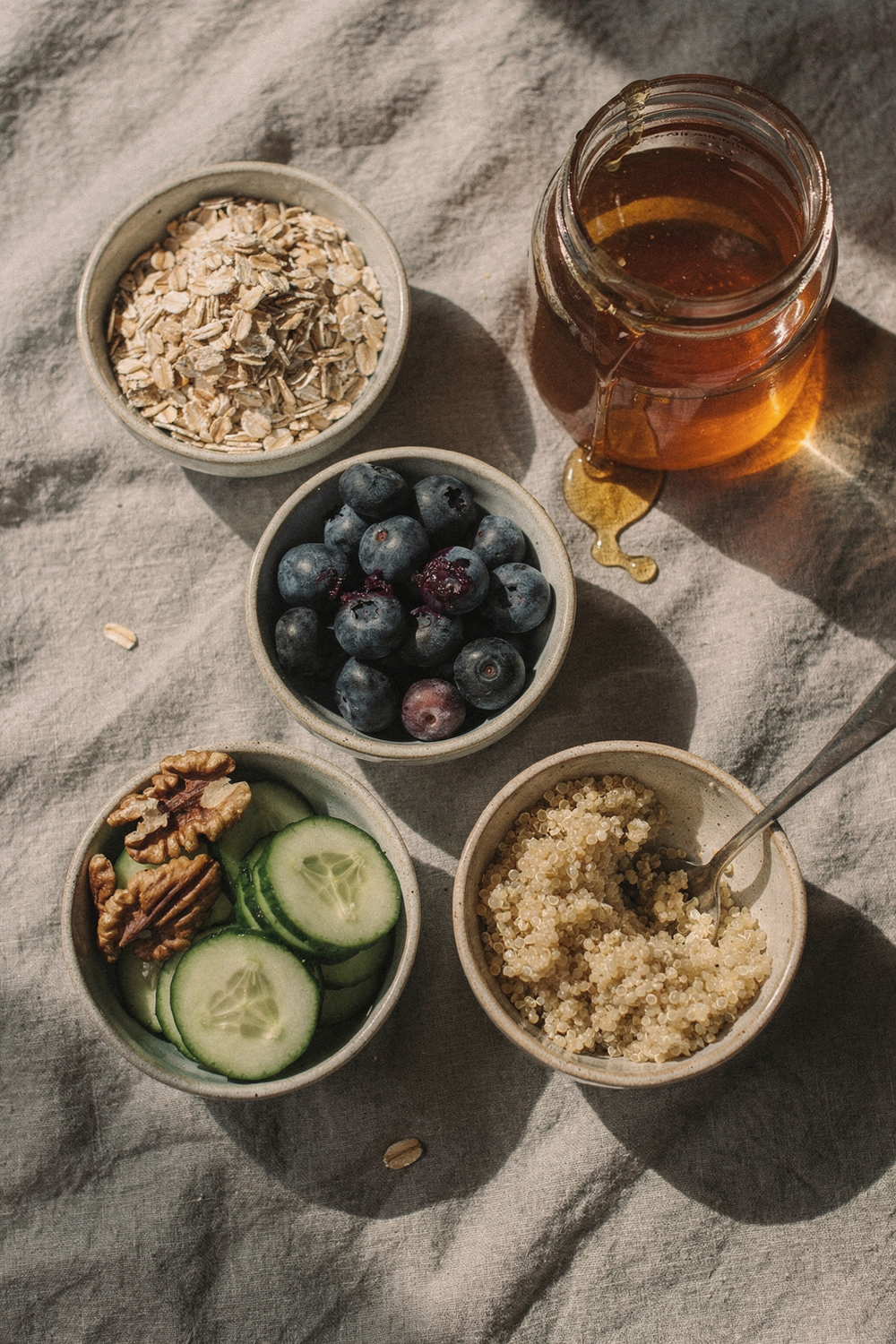
Everyone has started a health kick that lasted two weeks. You download the app, buy the groceries, meal-prep on Sunday. By Wednesday of week three, the containers are empty and the motivation is gone. The problem was never your willpower. The problem was the plan.
Most wellness programs treat habit-building like a light switch - flip it on and you're healthy now. But real body health change is a progression. It happens in phases, each one building on the last, over months. And the version of you at month six looks nothing like the version at month one. Here's what that progression actually looks like when you commit to developing sustainable, healthy habits.
Phase 1: Awareness and exploration (weeks 1-8)
The first phase doesn't ask you to change anything. It asks you to notice. You start a food diary, tracking what you eat and how you feel about it. You identify emotional triggers related to food - the stress snacking, the boredom eating, the skipped lunches that turn into late-night binges. You research different food groups and their nutritional benefits. That's it.
This feels slow. And that's the point. Most people try to overhaul their diet on day one. They throw out everything in the pantry and follow a strict meal plan they found online. Two weeks later, they're burnt out. A phased system does the opposite - it builds awareness before it asks for change.
By week three, you're experimenting with cooking simple, healthy recipes using whole foods. Not because a meal plan told you to, but because you've spent two weeks watching your own patterns and you're ready to try something new. By week four, you're visiting farmers' markets or exploring the produce section with fresh eyes, interacting with vendors and discovering produce you've never cooked with before.
None of this is dramatic. All of it is foundational. The system is also tracking cross-pillar dependencies behind the scenes - sleep quality, mental wellness, recovery, and your social environment - because nutrition doesn't exist in a vacuum. It's asking you to create a quiet space for journaling, to share findings with a friend or family member, to get 7-8 hours of sleep so your brain can process what you're learning. Body health is interconnected. Phase 1 teaches you that before you try to change a single meal.
Phase 2: Education and skill building (weeks 9-20)
Once you understand your patterns, the system shifts to building real skills. You're reading about basic nutrition principles - not scrolling through Instagram posts, but actually studying how food works. You're participating in meal prep sessions, planning and preparing healthy meals for the week ahead. You're practicing cooking techniques - chopping, roasting, steaming - and creating balanced meal plans that incorporate a variety of food groups.
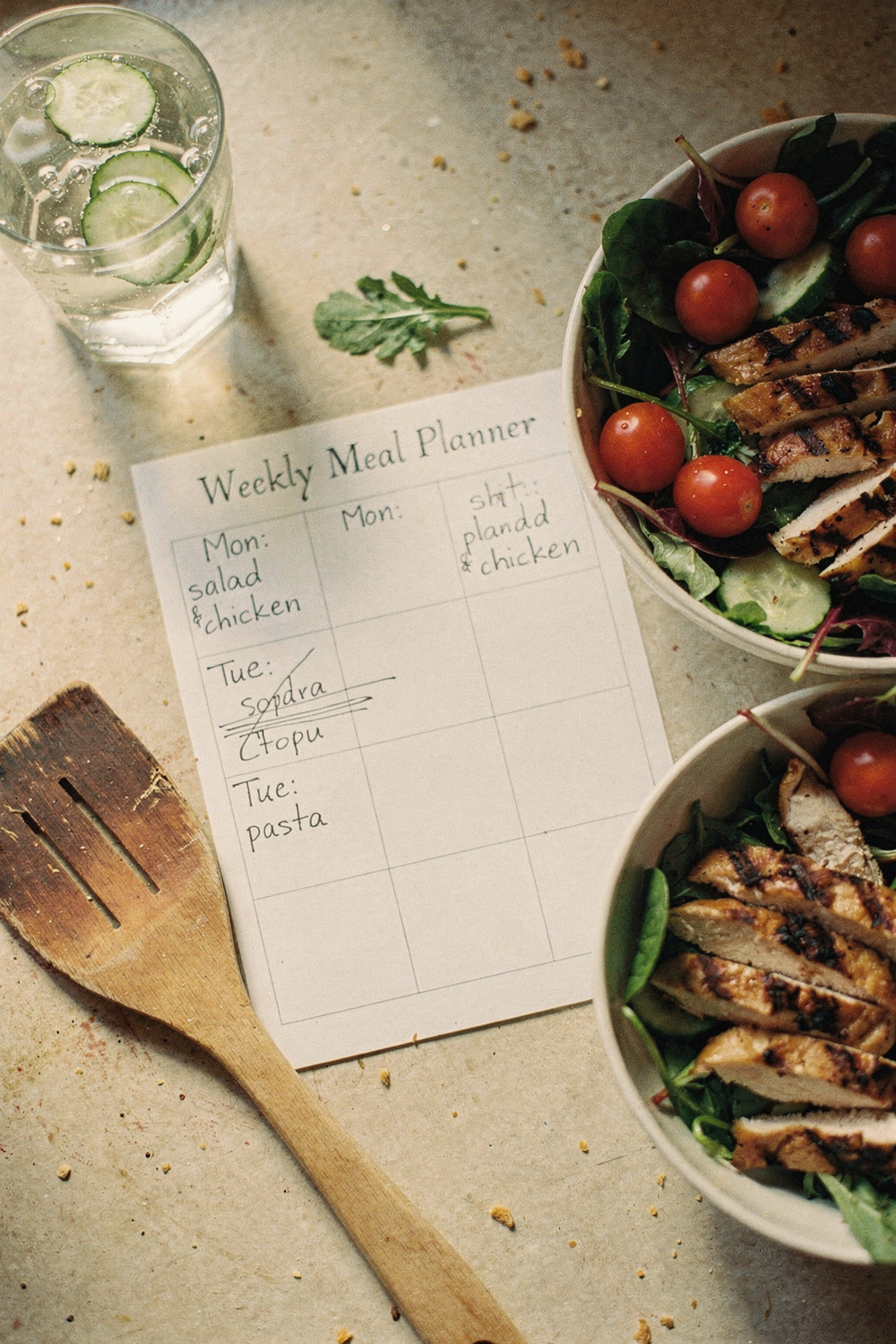
This is the phase where knowledge becomes practical. You're not just learning about nutrition in the abstract - you're applying it in your kitchen, week after week. The system introduces mindful eating practices here, too. Eating slowly, savoring each bite, paying attention to hunger and fullness cues. These aren't wellness trends - they're the habits that separate people who understand food from people who follow diets.
Notice what the system didn't do: it didn't hand you a meal plan on day one. It waited until you had weeks of self-awareness and food knowledge before asking you to plan meals. That sequencing is intentional. You can't plan effectively if you don't know your own eating patterns yet.
Phase 3: Implementation and routine establishment (months 3-6)
Now the real work begins - turning knowledge into daily routine. You set up a weekly meal prep schedule so nutritious meals are readily available when you need them. You experiment with new recipes each week to keep things interesting and prevent the boredom that kills most diets. You evaluate and adjust portion sizes based on hunger cues and activity levels. And you start building a whole foods shopping list to gradually reduce your reliance on processed food.
Phase 3 also introduces weekly reflection - assessing what worked well and what needs adjustment. This is a habit most people skip, and it's the one that makes everything else stick. Without regular reflection, you're just going through motions. With it, you're building a feedback loop that lets you adapt in real time.
The cross-pillar web gets richer here. Your sleep patterns, stress management, recovery practices, and social environment are all being managed alongside your nutrition. You don't have to think about the system. You just follow the daily actions and the system handles the coordination.
Wellbody's phased progression doesn't just tell you what to eat - it builds the skills, awareness, and routines that make healthy choices automatic. Phase 1 builds awareness. Phase 2 builds skills. Phase 3 builds routines. Phase 4 personalizes them. Phase 5 makes them permanent. Each phase looks different because you're different.
Phase 4: Refinement and personalization (months 6-9)
Wellbody builds the system for you.
3 daily actions across fitness, nutrition, mindfulness, and recovery.


By now you have the awareness, the knowledge, and the routine. Phase 4 is where it becomes yours. You create a personalized nutrition plan that reflects your individual preferences and goals. You explore different dietary approaches to find what works best for your body, your schedule, and your life.
Mindful eating becomes a daily foundation practice, not something you do twice a week. You start keeping a success journal to document progress, challenges, and achievements related to your food choices. And something shifts socially - you're sharing healthy meals with friends and family, turning food into connection rather than a chore. The system encourages this on purpose. Social connections around food reinforce your habits in ways that solo discipline never can.
This is the phase where your relationship with food fundamentally changes. You're not following rules anymore. You're making informed decisions based on months of self-knowledge. That's not willpower. That's a system that built your capacity over time.
Phase 5: Mastery and advocacy (months 9-12+)
The final phase isn't about learning more - it's about sharing what you've built. You lead healthy cooking sessions for friends or community members. You explore advanced cooking techniques and complex recipes that would have overwhelmed you in month one but feel natural now. You set long-term nutrition goals and strategies to keep yourself growing. And you create a support network with peers who share similar health goals for ongoing accountability.
Phase 5 recognizes something most wellness programs ignore: the strongest habits are social. When you teach someone else how to meal prep, you reinforce your own skills. When you share recipes and tips on a personal blog or social media account, you stay engaged and accountable. When you build a community around body health, you create a support structure that no app notification can match. The system doesn't end here - it shifts into a maintenance mode where you regularly assess and adjust your habits for ongoing success.
Why systems beat willpower
Here's the thing about sustainable habits: they're not built through discipline. They're built through progression. Month one is about paying attention. Month three is about building skills. Month six is about making it personal. Month nine is about making it permanent by weaving it into your relationships and community.
A 30-day challenge gives you 30 days of the same difficulty with the same actions. A phased system gives you a year of progressive growth where each month builds on the last. The person who finishes Phase 5 isn't just eating better - they've rebuilt their entire relationship with food, from the ground up, one phase at a time.
You don't need more willpower. You need a system that grows with you. Pick the goal. Show up each day. The progression handles the rest.
About Wellbody
Wellbody is a body-health app that replaces the stack. One goal. Three daily actions. Fitness, nutrition, mindfulness, and recovery - connected behind the scenes so you don't have to manage the pieces. The plan adjusts around what you actually did today, and grows with you: month six looks nothing like month one. No dashboards, no re-planning. You just keep showing up.