
When a joint starts to ache with age, the instinct is to focus there and nowhere else. If the knee hurts, you think about the knee. If arthritis flares in your hands, you think about your hands. The sore joint is the obvious lever, so it gets all the attention.
But managing an age-related condition like arthritis is rarely a joint-only project. The joint is where you feel it. It usually isn't where the whole solution lives. This is general guidance rather than medical advice, and anything new is worth running past your doctor first - but the broad pattern is consistent and worth understanding.
Wellbody's Manage an Age-Related Condition goal is built for exactly this, with conditions like arthritis and osteoporosis in mind. It runs across four phases, from Foundation of Movement to Mastery of Movement and Lifestyle Integration. And even though the headline is gentle, joint-friendly movement, the plan quietly leans on four other parts of your life from the very first week. That's the real lesson: the obvious lever isn't the whole story.
The joint is the symptom, not the whole system
The plan starts with Foundation of Movement - gentle range-of-motion work, short daily walks, and basic strengthening that builds support around the joints rather than hammering them. The first day's theme is Strength Foundations, and the emphasis from the start is form over intensity.
There's a reason the work centers on the muscles around a joint, not just the joint itself. Strong, well-balanced muscles act like shock absorbers and stabilizers, taking load off the joint surfaces that are doing the aching. The pain shows up in one place, but the ability to manage it is spread across the whole supporting structure. Treating only the sore spot misses the muscles that protect it.
Nutrition: the fuel and the building blocks
From the first week, the plan flags a nutrition dependency: maintain a balanced diet to support the energy levels that movement requires. Hydration appears as an early daily action, and fueling the body shows up alongside the strength work.
This is easy to overlook when you're focused on a joint. But movement you can't fuel is movement you won't sustain, and for conditions involving bone and joint health, what you eat is part of the structure itself - the raw materials your body uses to maintain and repair tissue. A balanced plate doesn't numb a joint, but it underwrites the consistent, gentle activity that actually keeps the condition manageable over months and years. The plate is part of the plan, not a side note.

Sleep: where the repair actually happens
The plan sets a standing sleep target - at least seven to eight hours - specifically to recover from new activity. As you add walking, gentle resistance work, and balance training, that recovery target doesn't go away. It holds across phases.
Sleep matters here for two reasons. First, your body does most of its tissue repair and adaptation while you rest, so the gentle work you do during the day only pays off if the night gives it somewhere to land. Second, poor sleep tends to turn up the volume on pain and stiffness, so a rough night can make a manageable joint feel far worse the next morning. The session builds the capacity. The sleep is where it gets banked.
The sore joint is the part you can feel, so it gets all the attention. But a structured plan spends just as much effort on what you eat, how you sleep, your mood, and your recovery - because those are the levers that decide whether the joint work actually sticks.
Mood: the pillar that decides whether you keep going
Wellbody builds the system for you.
3 daily actions across fitness, nutrition, mindfulness, and recovery.


The plan flags mental wellness as a dependency too, noting that group classes and shared activity improve mood and reduce stress. The sample week is dotted with reflection prompts - a Posture Check, a Midweek Motivation theme, a Reflect on Your Journey moment - that keep your head in the game, not just your body.
This isn't soft framing. Living with a long-term condition is wearing, and stress and low mood have a real, measurable way of amplifying how pain feels. Just as importantly, the days you feel discouraged are the days you skip the gentle work that keeps the condition in check. The plan treats your mood as a structural input because it is one: it's often the difference between a routine you maintain and one you abandon after two weeks.
Recovery: the pillar that protects the progress
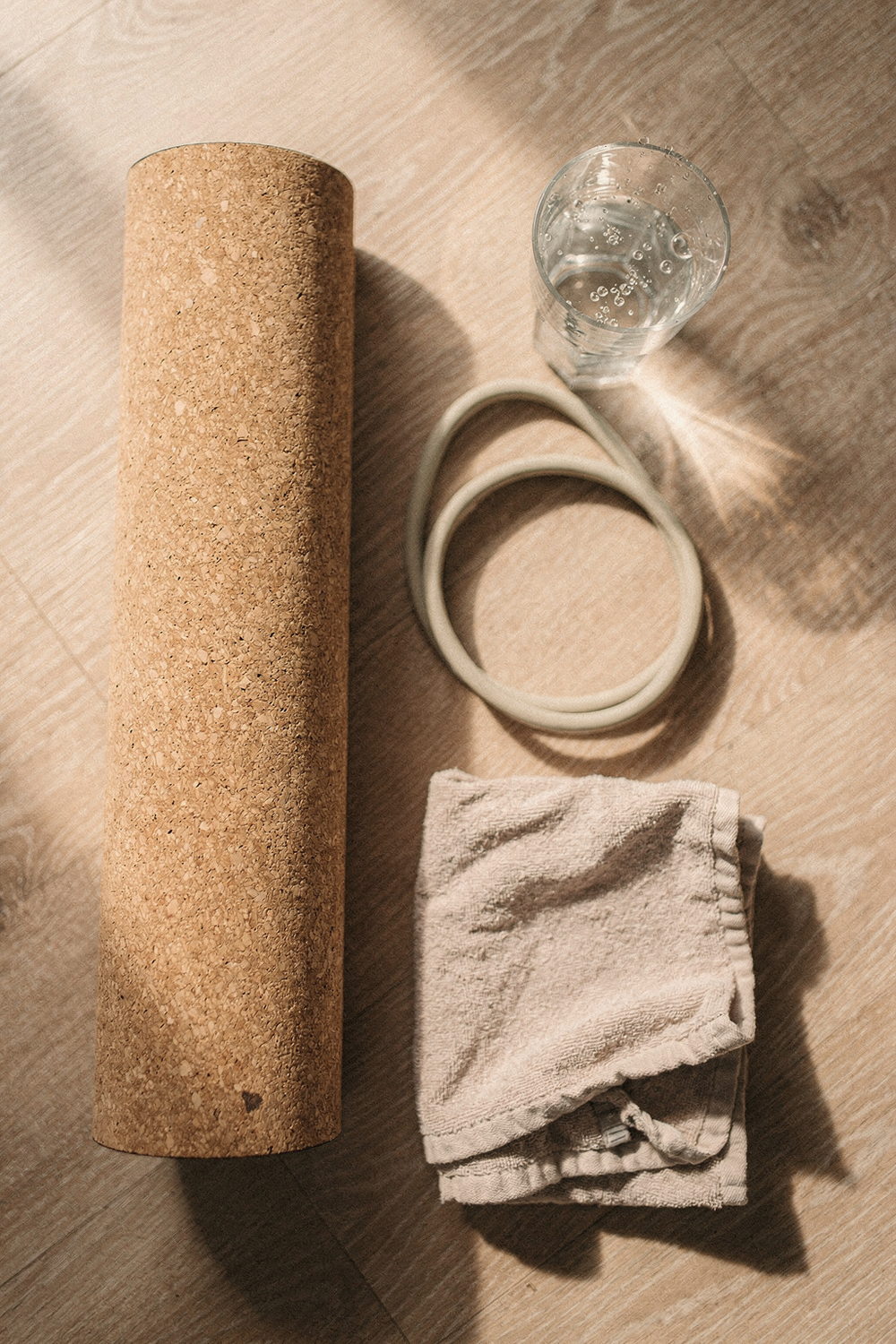
Recovery shows up as its own dependency, with light stretching after sessions to aid recovery and dedicated days themed Balance and Recovery and Rest and Recover. The plan deliberately builds rest and gentle cool-downs into the week rather than leaving them to chance.
For an age-related condition, recovery isn't the absence of effort - it's the part that keeps effort from backfiring. Push a sore joint too hard with no gentle reset and you trade a good week for a flare-up that costs you several. The light stretching and scheduled rest are what let you keep showing up consistently, which is the thing that actually moves the needle. Steady and sustainable beats hard and sporadic every time.
Why the whole-body view wins
By the later phases - Enhanced Mobility and Functional Fitness, then Mastery of Movement and Lifestyle Integration - the joint work, the nutrition, the sleep, the mindfulness, and the recovery aren't separate tracks anymore. They've become a single routine woven into daily life: taking the stairs, an active hobby, a balanced meal, a real night's sleep, a few minutes of stretching. The condition gets managed by the whole pattern, not one heroic fix.
That's the shift worth making. A joint-only approach treats arthritis like a problem you locate and attack in one spot. A body health approach treats it like what it actually is - a condition that responds to how you move, eat, sleep, feel, and recover, all together. The sore joint is real, and it's where you start. It just isn't where the work ends. Three small actions a day, no gym required, spread across the whole picture, is what keeps the joint you can feel from running the show.
About Wellbody
Wellbody is a body-health app that replaces the stack. One goal. Three daily actions. Fitness, nutrition, mindfulness, and recovery - connected behind the scenes so you don't have to manage the pieces. The plan adjusts around what you actually did today, and grows with you: month six looks nothing like month one. No dashboards, no re-planning. You just keep showing up.