Standard meal-planning advice assumes a standard week. Cook on Sunday, portion into containers, eat the same five lunches. That works beautifully right up until a meeting runs late, a trip gets booked, or a kid gets sick. Then the containers sit untouched and the takeout app wins.
If your schedule is unpredictable, you do not need a stricter plan. You need a flexible one. A goal built around high-efficiency meal planning is designed for exactly this: travel, long hours, and weeks that refuse to repeat. Here are five systems drawn from that approach, each one a quick win you can start using this week.
1. Start with a template, not a menu
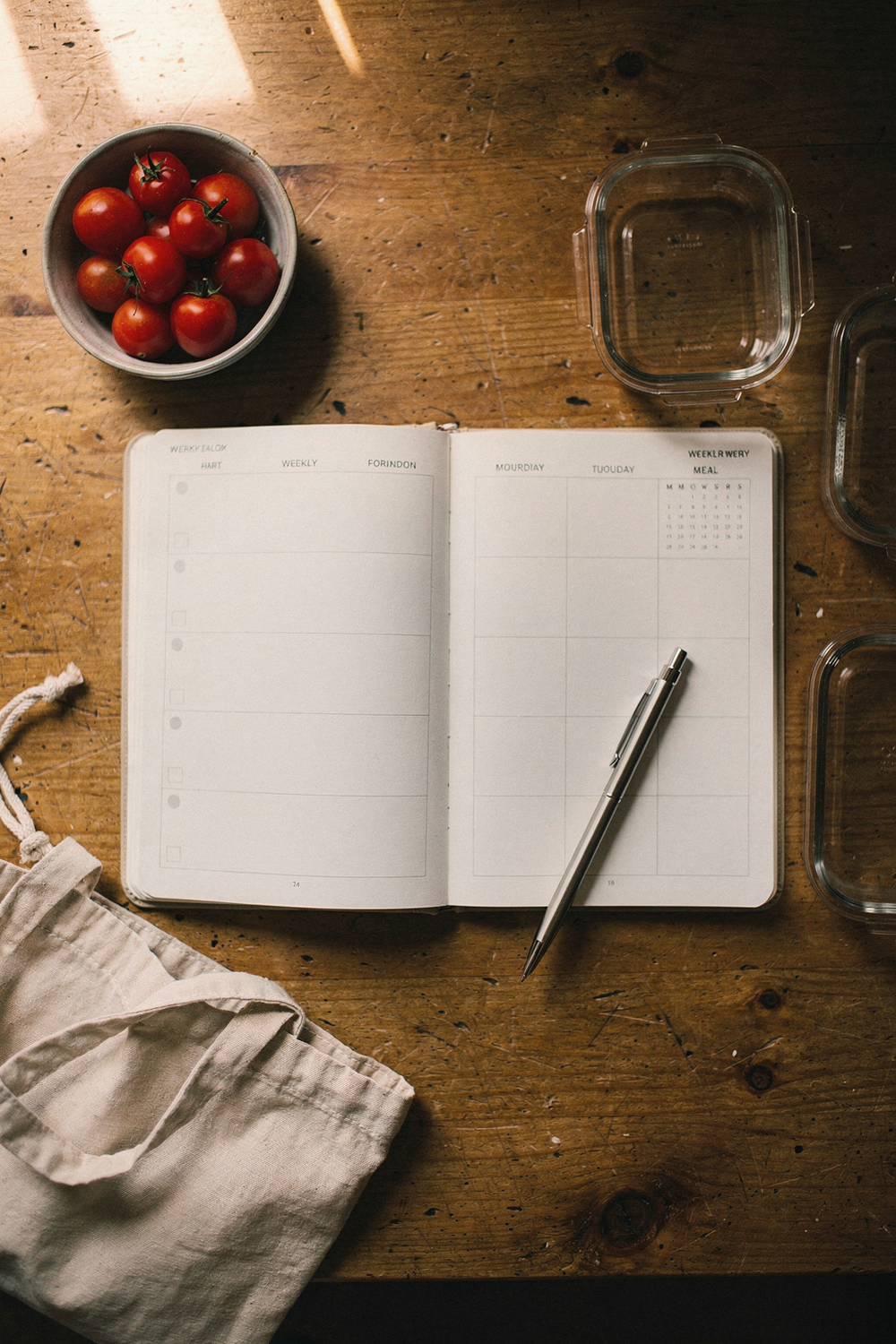
The first phase of the plan does not ask you to cook anything. It asks you to create a simple weekly meal plan template tailored to your schedule. A template is not a fixed menu. It is a set of slots: a fast breakfast, a portable lunch, a fifteen-minute dinner, a backup for the day everything falls apart. You decide the categories once, then drop recipes into them each week. When the week changes, the template still holds.
2. Build a small library of go-to recipes
Phase 1 also has you experiment with three to five easy recipes that fit your nutritional goals, and the later phases grow that into a list of go-to meals that need minimal prep. Unpredictable schedules punish decision-making, not cooking. When you already own five reliable meals you can make half-asleep, the hard part is solved before hunger hits. Pick a few, make them twice, and keep the winners.
3. Batch and freeze for the weeks you can see coming
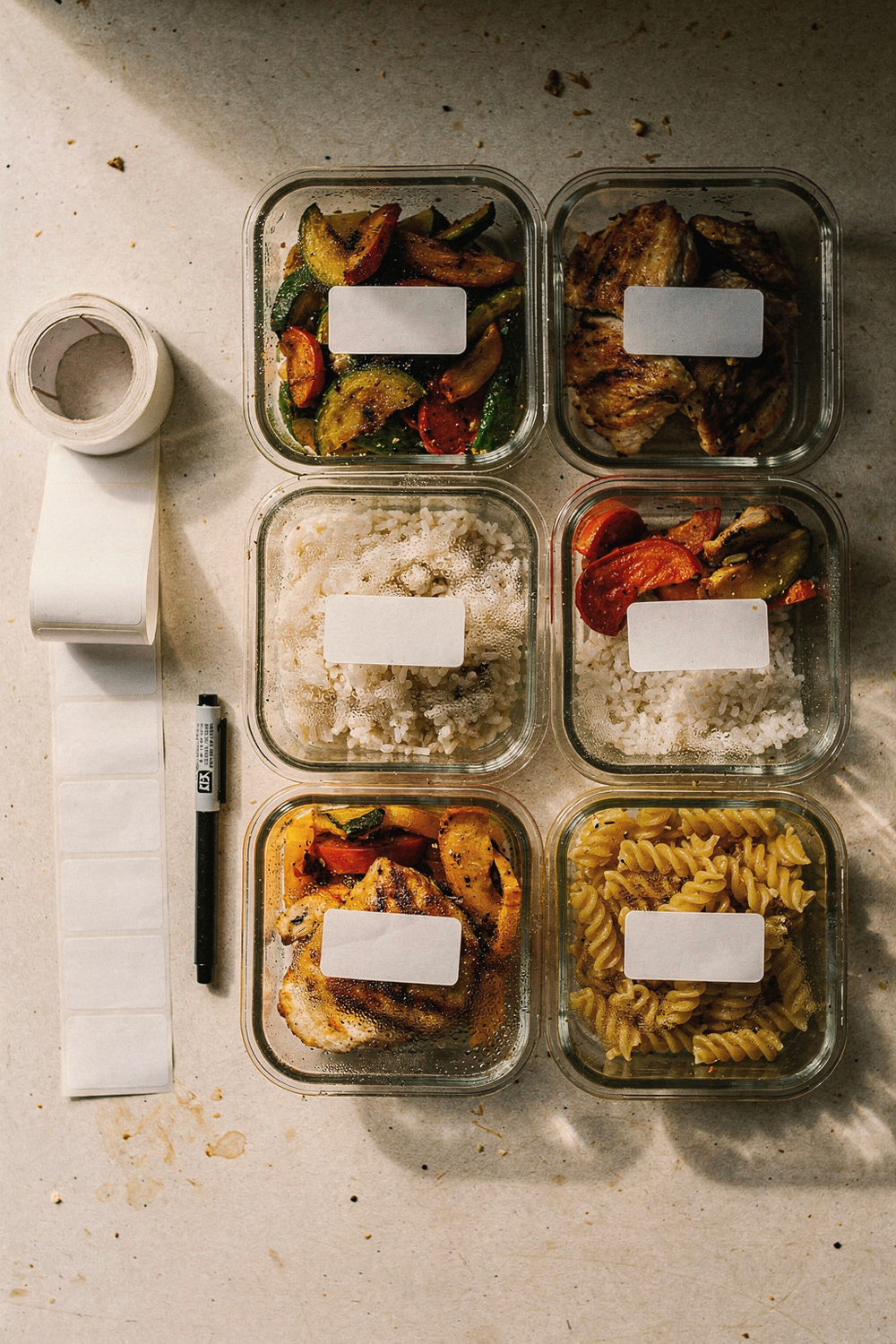
Phase 2 introduces meal prep techniques: a weekly routine to batch cook, plus freezing and storing meals for later use. The trick for a chaotic schedule is to treat your freezer as insurance, not as the whole plan. On a calm weekend, cook double and freeze the extra. Those meals become your safety net for the week a deadline eats your evenings. You are not prepping every meal. You are stocking a buffer.
4. Keep a travel and long-day playbook
The advanced phase is built for the days the template cannot save. It has you create a flexible plan that includes quick and easy options for unpredictable days, and research strategies for eating well while traveling. In practice this is a short, written playbook: what you order at the airport, what you keep in your bag, the two gas-station combinations that are not terrible. Decide these once, when you are calm, so you are not deciding them at hour twelve of a long day.
Wellbody builds the system for you.
3 daily actions across fitness, nutrition, mindfulness, and recovery.


The plan never starts with cooking. It starts with a template and a short recipe list, because the real enemy of eating well on a busy schedule is decision fatigue, not a lack of time.

5. Track energy, not just meals
The system's most distinctive move is an energy tracker. Sample Week 1 opens with energy awareness and reflecting on your meals before any planning happens. The point is to connect how you eat to how you feel, so your plan is shaped by what actually keeps you steady through a long day, not by what a recipe blog says you should eat. Over a few weeks, patterns appear, and you plan around them. A monthly review turns those patterns into adjustments.
How the five fit together
These are not five separate tactics. They are one system in layers. The template gives you structure, the recipe library fills it in, the freezer covers the busy weeks, the playbook covers the road, and the energy tracker tells you whether any of it is working. Sample Week 1 even sequences them: notice your energy, draft a plan, build a shopping list, then prep.
Pick one to start this week. A template takes ten minutes and immediately makes the next chaotic week easier. The rest can build from there, at whatever pace your unpredictable schedule allows.
About Wellbody
Wellbody is a body-health app that replaces the stack. One goal. Three daily actions. Fitness, nutrition, mindfulness, and recovery - connected behind the scenes so you don't have to manage the pieces. The plan adjusts around what you actually did today, and grows with you: month six looks nothing like month one. No dashboards, no re-planning. You just keep showing up.