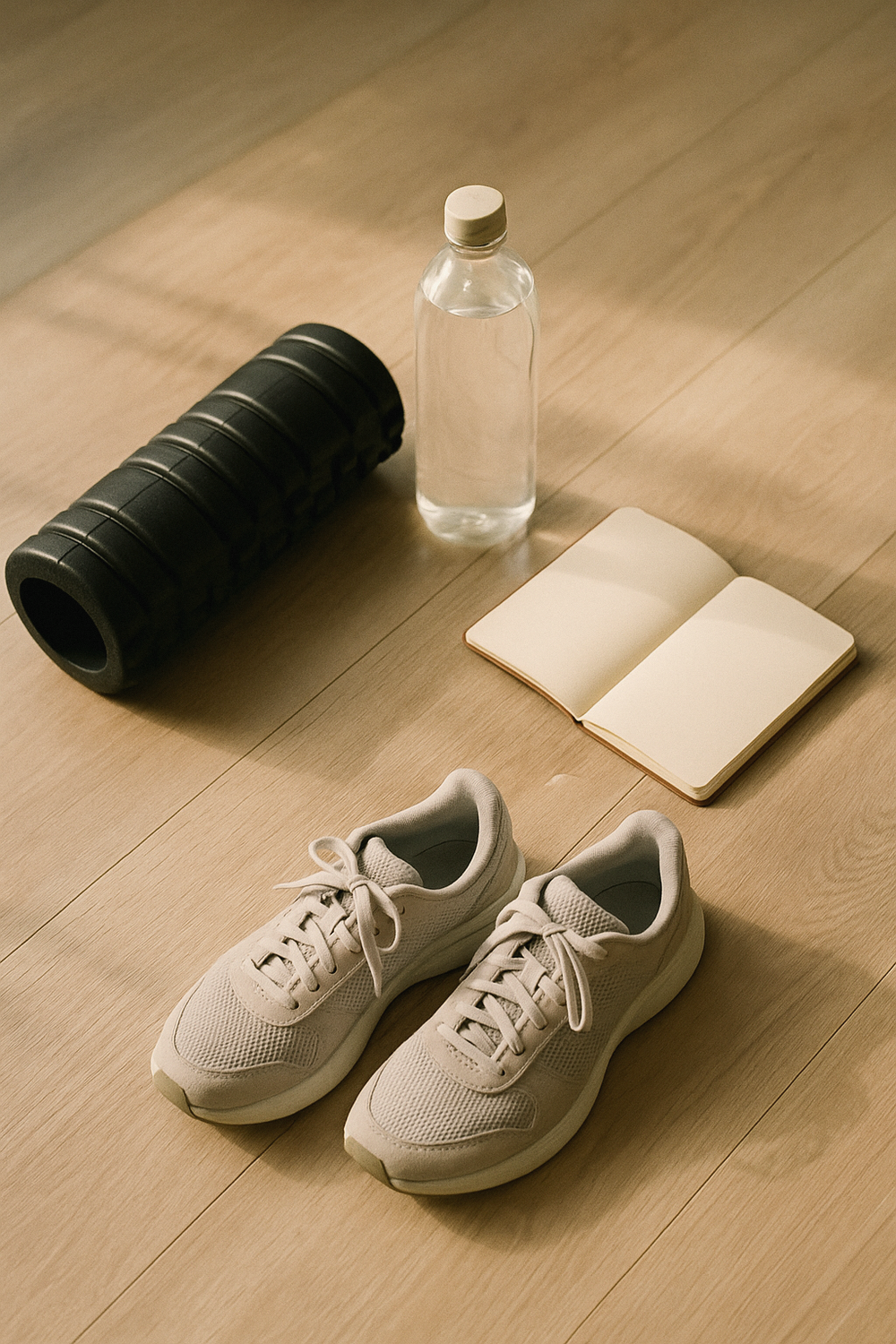
Joint health and mobility tend to get added to the list of things to fix eventually. They are not urgent in the way that injury is, and the improvements from consistent practice show up gradually rather than overnight. This makes it easy to defer. The practical reality is that five focused actions this week can produce a noticeable difference in how your joints feel and move - not eventually, but within days.
None of these require equipment, a gym membership, or large blocks of time. They are Phase 1 and Phase 2 foundations from a structured approach to mobility and joint health, selected because they produce results quickly and build directly into longer-term progress.
1. Do five minutes of joint circles every morning
Joint circles - slow, controlled rotations through the available range of each joint - are one of the most underused tools in body health. They take five minutes, require no equipment, and directly address the movement poverty that makes joints feel stiff and achy throughout the day. Work through shoulders, elbows, wrists, hips, knees, and ankles in sequence. Ten slow circles in each direction per joint is the standard starting point.
The mechanism is simple: joints are lubricated by synovial fluid, which circulates when the joint moves. Morning stiffness is partly a result of hours of low movement during sleep. Five minutes of circles moves synovial fluid through the joint before the day puts load through it. This is a Phase 1 foundational activity because it establishes baseline joint health before any more demanding work is introduced.
2. Add a 15-minute walk to your afternoon
A daily walk is the lowest-barrier mobility and joint health intervention available. For joints that have been under prolonged load from sitting or standing in one position, movement is restorative rather than depleting. Phase 1 specifies 15 to 30 minute daily walks as a core activity, not because walking is a training stimulus in the conventional sense, but because regular low-intensity movement maintains the tissue quality and circulation that keeps joints functional.
The afternoon is a useful time specifically because it breaks the longest sedentary stretch for most people - the period between lunch and the end of a workday. A 15-minute walk at that point reduces cumulative joint load and tends to improve energy and focus for the hours that follow. If the afternoon is not available, the walk can be attached to any consistent daily anchor - before dinner, after dropping kids off, during a break.
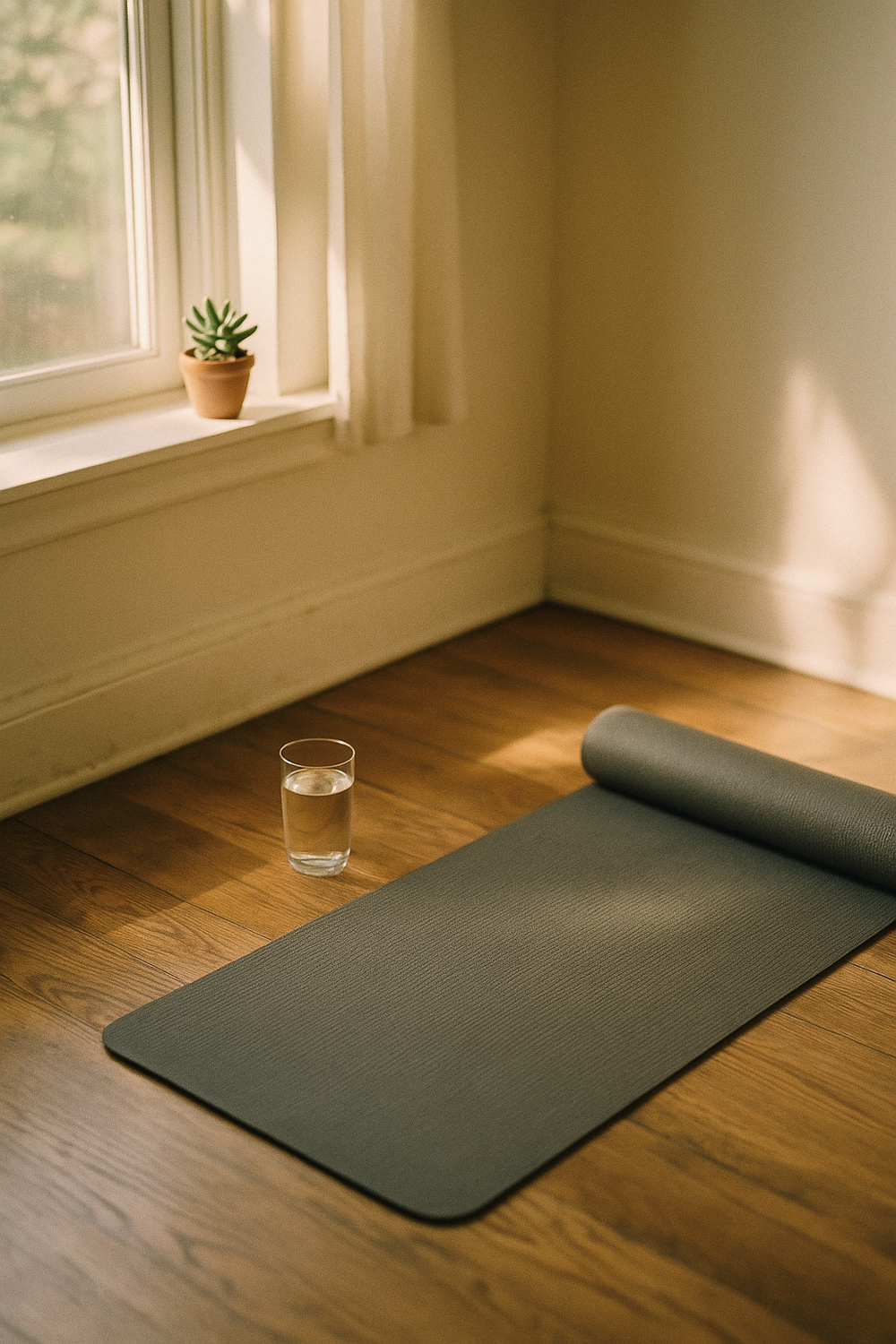
3. Spend three minutes foam rolling tight areas after any activity
Foam rolling addresses tissue quality in the muscles surrounding joints - a factor that matters as much as the joint's own mobility. Tight, restricted muscle tissue limits how freely a joint can move and increases the load placed on it during ordinary movement. Three minutes on the areas that feel most restricted (commonly the calves, IT bands, thoracic spine, and glutes for most people) after any activity reduces that restriction before it compounds.
This does not need to be a long or aggressive session. Slow passes over the tightest spots, holding briefly on areas of particular restriction, is more effective than fast rolling. Phase 3 introduces foam rolling alongside more advanced techniques, but the basic practice is available and productive from day one. Starting it this week builds the habit before the intensity of later phases makes recovery work feel optional.
The walk does not need to be fast or strenuous to benefit your joints. Brisk is fine, but easy pace works too. The goal is movement through the hip and knee range, not cardiovascular training.
4. Practice one-minute single-leg stands daily
Wellbody builds the system for you.
3 daily actions across fitness, nutrition, mindfulness, and recovery.


Balance and joint stability are directly related. The muscles that maintain balance around a joint are largely the same ones that protect it during dynamic movement. Single-leg stands - standing on one foot for 30 to 60 seconds per side - are a Phase 2 balance exercise that produces rapid improvements in ankle, knee, and hip stability. They can be done anywhere: while brushing teeth, waiting for a kettle to boil, or standing at a desk.
The challenge progressively increases as you close your eyes or stand on a softer surface, but starting with basic open-eye stands on a hard floor is the appropriate entry point for this week. Feeling unstable is expected and normal early on - it is the instability that generates the balance adaptation. Two to three sessions across the week is enough to start noticing a difference by the end of it.
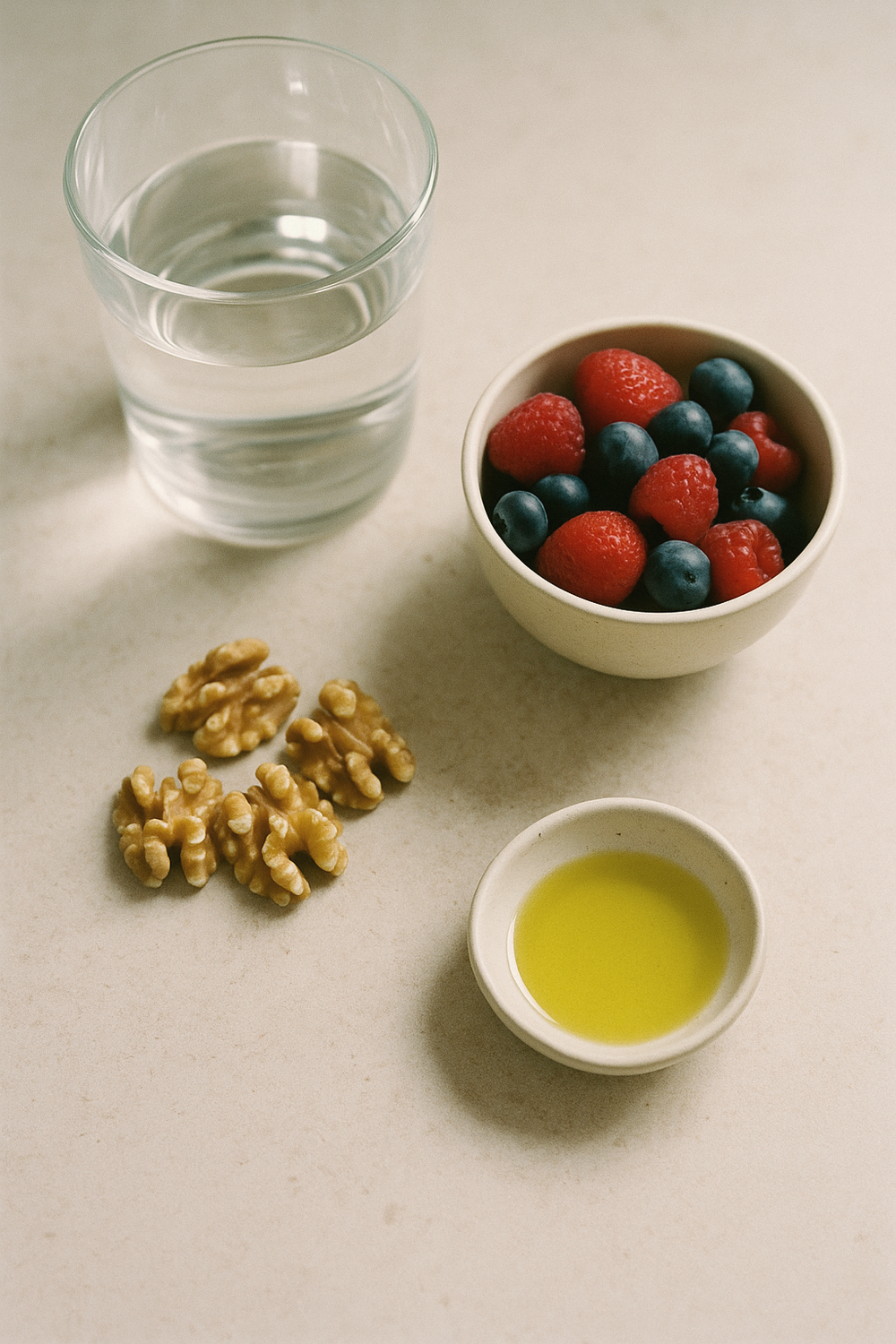
5. Increase your water intake and add one anti-inflammatory food
Joint cartilage is partly composed of water and requires adequate hydration to maintain its cushioning properties. Chronic low-level dehydration - common in people who rely on coffee and forget water - contributes to the joint stiffness and soreness that most people assume is structural. Increasing water intake to at least two liters per day is a Phase 2 nutrition action that produces noticeable joint comfort improvements within a few days.
Adding one anti-inflammatory food to daily eating - fatty fish, walnuts, berries, leafy greens, or olive oil are all practical options - supports the same mechanism. These are not supplements or special products. They are foods that reduce the low-level systemic inflammation that worsens joint discomfort. One addition is achievable this week without restructuring how you eat. Doing both together - more water and one anti-inflammatory food - is often enough to make joint health feel like it is moving in the right direction.
What comes next
These five actions are Phase 1 and Phase 2 foundations, which means they are not a workaround or a shortcut - they are the actual starting point of a structured mobility and joint health plan. Doing them consistently for a week will produce enough of a result to make the case for continuing. Phase 3 and Phase 4 introduce PNF stretching, functional movement training, personalized routines, and more nuanced progress tracking. All of that becomes more effective when these basics are already running.
About Wellbody
Wellbody is a body-health app that replaces the stack. One goal. Three daily actions. Fitness, nutrition, mindfulness, and recovery - connected behind the scenes so you don't have to manage the pieces. The plan adjusts around what you actually did today, and grows with you: month six looks nothing like month one. No dashboards, no re-planning. You just keep showing up.