The number one barrier to eating well is not knowledge. It is time. You know vegetables are good for you. You know protein matters. You know a home-cooked meal beats takeout. But you have 20 minutes between finishing work and needing to eat, and that window is not big enough for most recipes.
It is big enough for these seven. Each one uses basic ingredients, requires minimal prep, and delivers the protein, fiber, and energy your body actually needs. This is not gourmet cooking. This is fuel that fits your schedule.
1. The sheet pan protein bowl
Frozen vegetables and pre-cut chicken strips on a sheet pan. Season with olive oil, salt, pepper, and garlic powder. Broil for 12 minutes. Serve over instant rice or eat straight from the pan. You have protein, fiber, and complex carbs in the time it takes to preheat the oven.
2. The 5-minute egg scramble
Three eggs scrambled with whatever vegetables are in your fridge. Spinach, tomatoes, peppers, mushrooms. Add cheese if you have it. Serve with toast or a tortilla. This is the meal you make when you think there is nothing in the house. There is always eggs and something.
3. The loaded grain bowl
Microwave a packet of pre-cooked quinoa or brown rice (90 seconds). Top with canned black beans (rinsed), sliced avocado, salsa, and a squeeze of lime. No cooking required beyond the microwave. High protein, high fiber, and it tastes like you tried.
4. The one-pan pasta
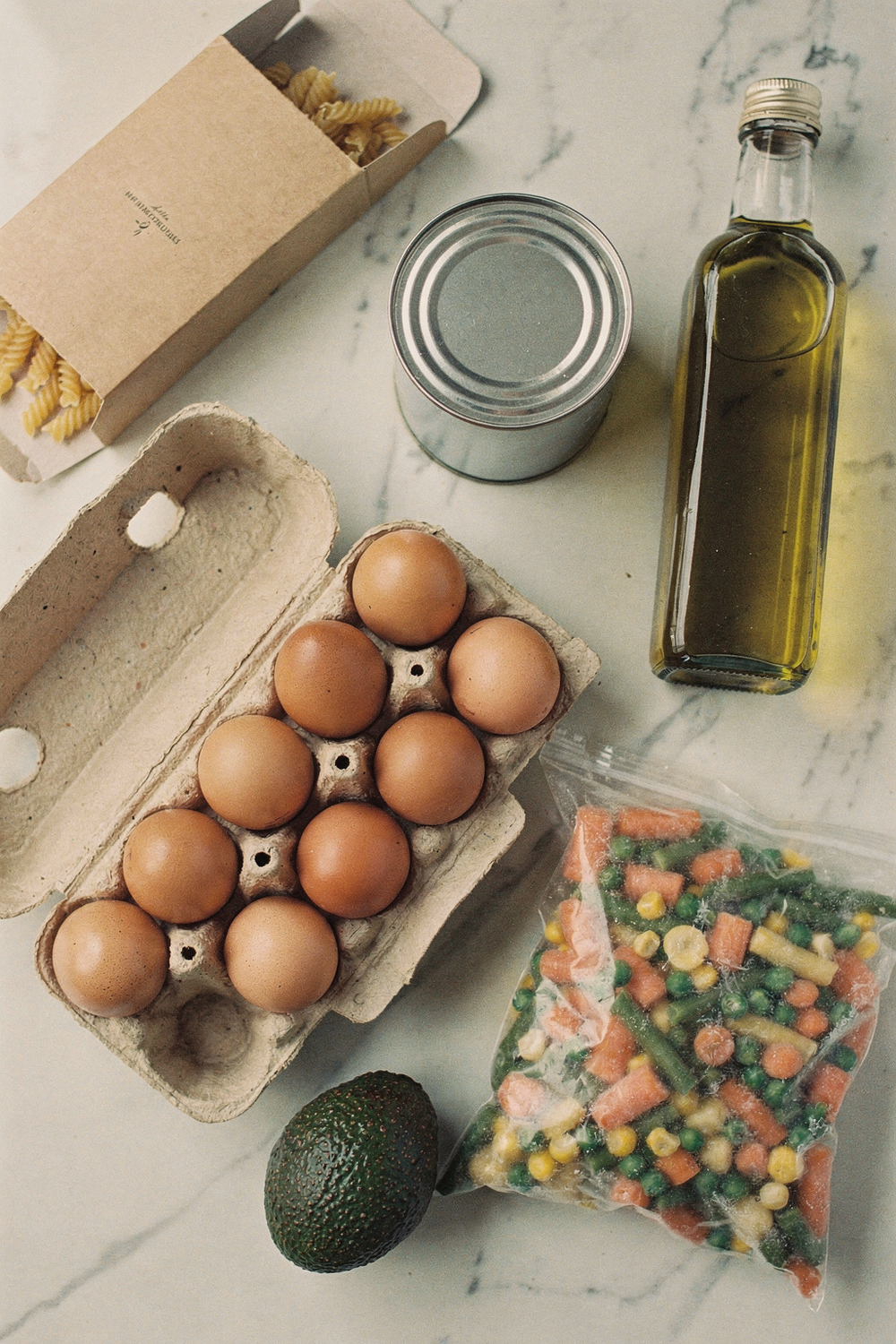
Put pasta, canned diced tomatoes, garlic, olive oil, and water in one pot. Bring to a boil. Cook 10 minutes. Add a handful of spinach in the last minute. The starch from the pasta creates its own sauce. One pot, no draining, no separate sauce pan.
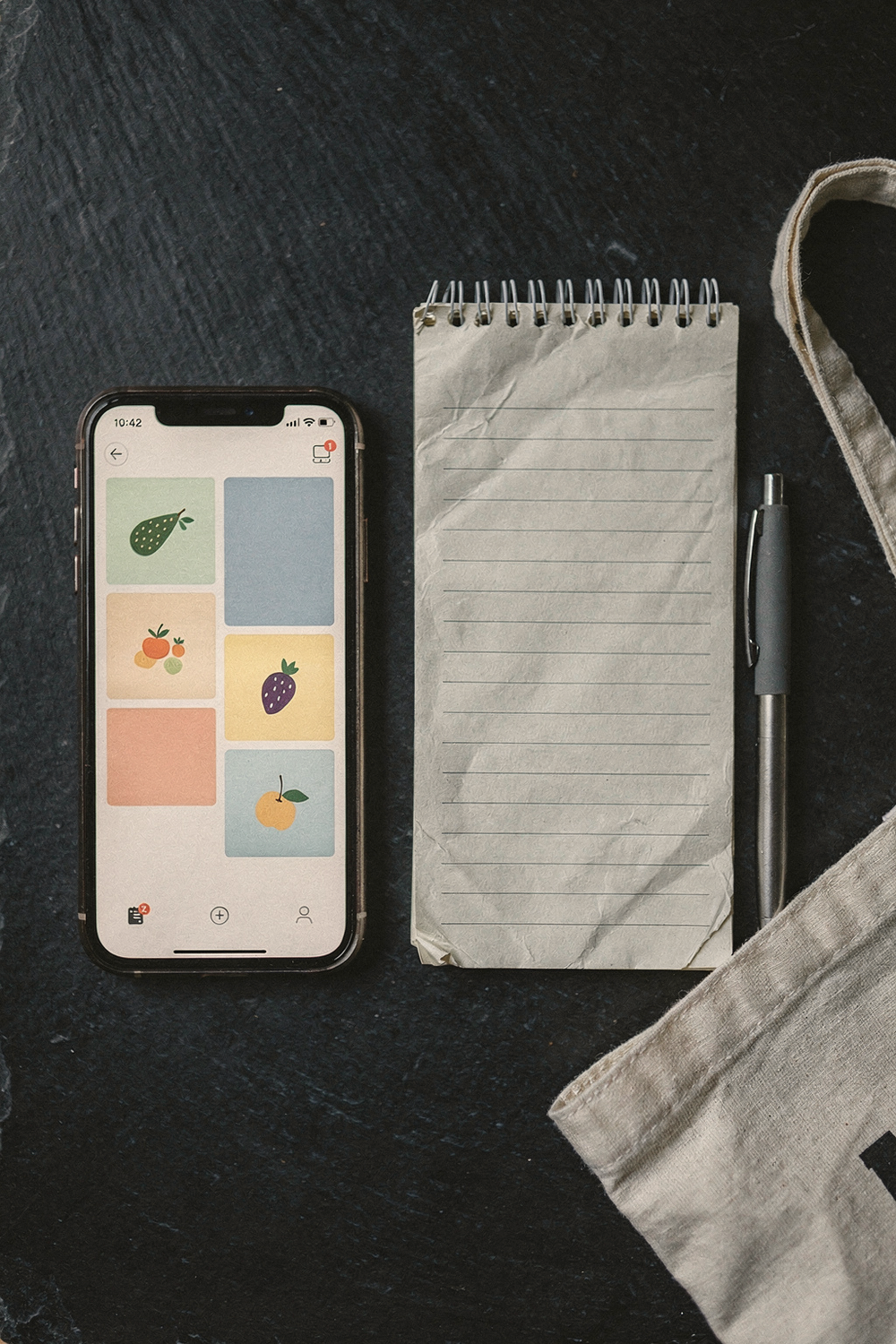
Wellbody's quick meals goal does not start with cooking. It starts with collecting 10 to 15 recipes that take 30 minutes or less. The system knows that the problem is not skill. It is decision fatigue. When you already know what you are making before you are hungry, the meal happens. When you do not, the delivery app wins.
5. The tuna salad wrap
One can of tuna, a spoonful of Greek yogurt or mayo, diced celery, salt, and pepper. Spread it on a whole wheat tortilla with lettuce. Roll and eat. This takes less time than ordering food and delivers more protein than most restaurant meals.
Wellbody builds the system for you.
3 daily actions across fitness, nutrition, mindfulness, and recovery.


6. The stir-fry shortcut
Frozen stir-fry vegetables in a hot pan with a tablespoon of oil. Add pre-cooked shrimp or tofu. Splash of soy sauce and sesame oil. Serve over instant noodles or rice. The frozen vegetables are already cut and the protein is already cooked. You are just heating and combining.
7. The breakfast-for-dinner plate
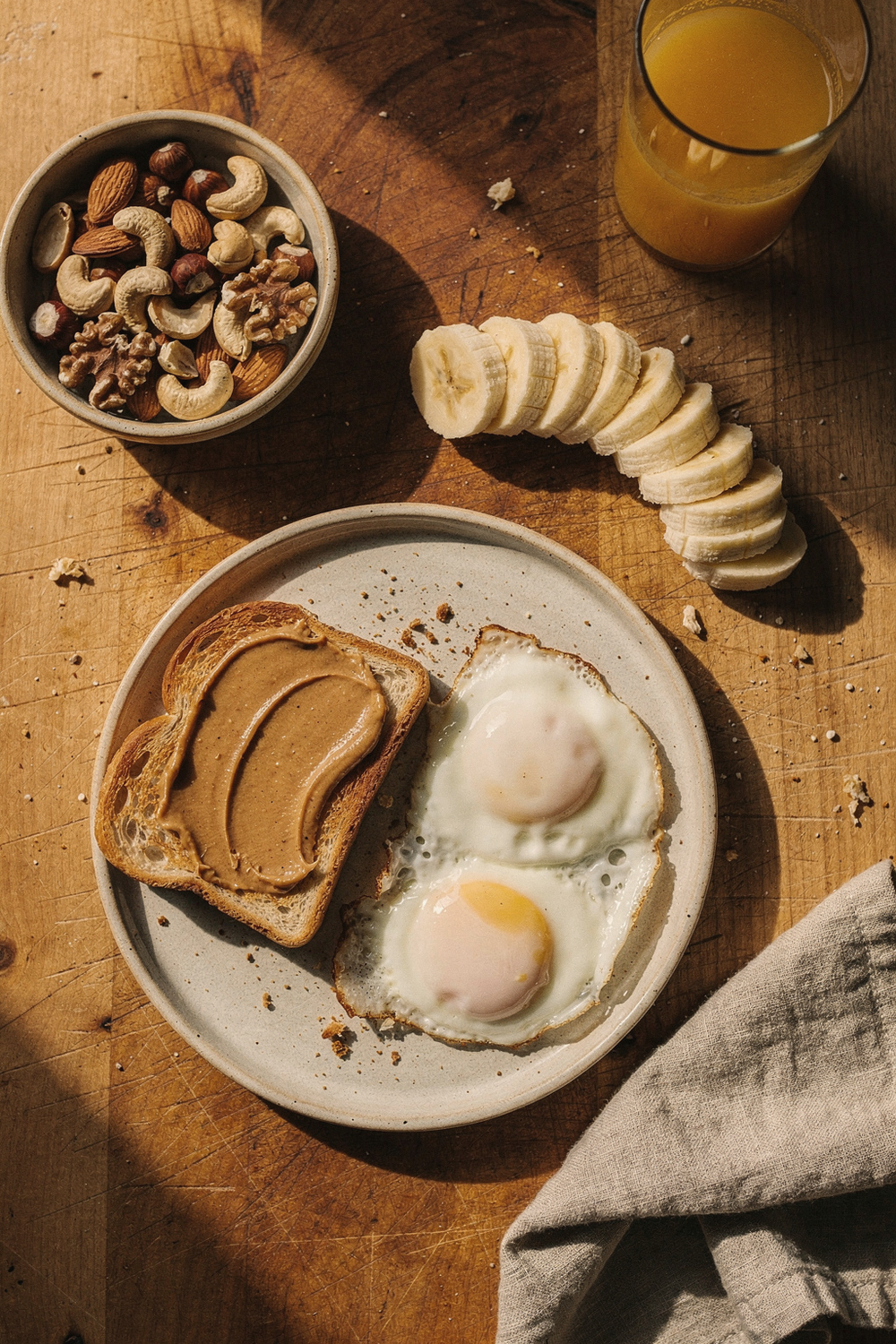
Two fried eggs, a sliced banana, a handful of nuts, and a piece of toast with peanut butter. This combination hits protein, healthy fats, potassium, and complex carbs. It takes 5 minutes. It works at 7am or 7pm. And it is more nutritionally complete than most meals people spend 45 minutes preparing.
The system behind the meals
These seven meals are a starting point. The full system for finding quick meals follows a deliberate sequence: gather recipes, then create a weekly meal plan using at least 3 of them, then explore batch cooking to prepare meals in larger quantities. Week 1 is entirely about building your recipe collection. You do not cook a single new meal in Week 1. You just find recipes and organize them.
That might sound slow. It is strategic. When Phase 2 arrives and you are choosing a meal prep day and building grocery list templates, you already have a library of proven recipes to draw from. The prep becomes automatic because the decisions were made weeks ago.
Start with one meal this week. Replace one takeout order or one skipped dinner with something from this list. That is the quick win. The system builds from there.
About Wellbody
Wellbody is a body-health app that replaces the stack. One goal. Three daily actions. Fitness, nutrition, mindfulness, and recovery - connected behind the scenes so you don't have to manage the pieces. The plan adjusts around what you actually did today, and grows with you: month six looks nothing like month one. No dashboards, no re-planning. You just keep showing up.