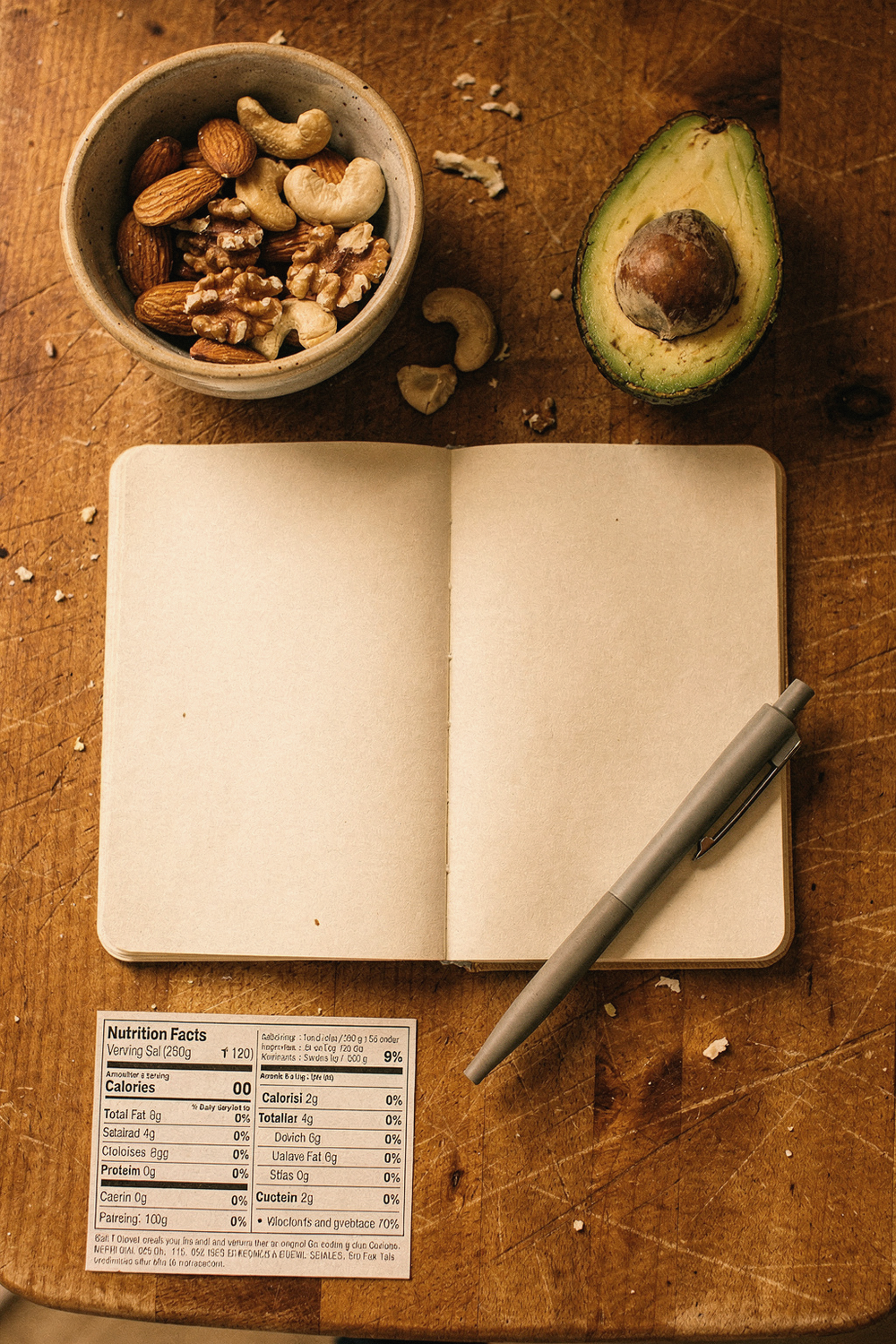
Clean eating says: eliminate processed foods, eat whole foods only, avoid anything with ingredients you cannot pronounce. The rules are clear. The list of banned foods is long. And the approach works, until it does not.
Balanced eating says: understand what you eat, learn why it matters, and make informed choices that fit your life. The rules are fewer. The flexibility is greater. And the data behind how people actually learn to eat well over four phases and 40 weeks tells a clear story about which approach lasts.
The case for clean eating
Clean eating has real benefits. Whole foods are more nutrient-dense than processed alternatives. Cooking from scratch gives you control over ingredients. Eliminating ultra-processed foods reduces added sugars, sodium, and artificial additives. If you stick with it, you will probably feel better.
The problem is the if. Clean eating creates a binary: foods are either clean or dirty. Allowed or banned. Good or bad. That binary works in controlled environments. It breaks at birthday parties, work lunches, travel, holidays, and every other situation where life does not follow a meal plan.
The case for balanced eating
Balanced eating prioritizes understanding over restriction. The system starts with a food diary and reading about food groups. Not a list of banned ingredients. Not a detox. A diary that shows you what you actually eat and educational material that explains why different foods matter.
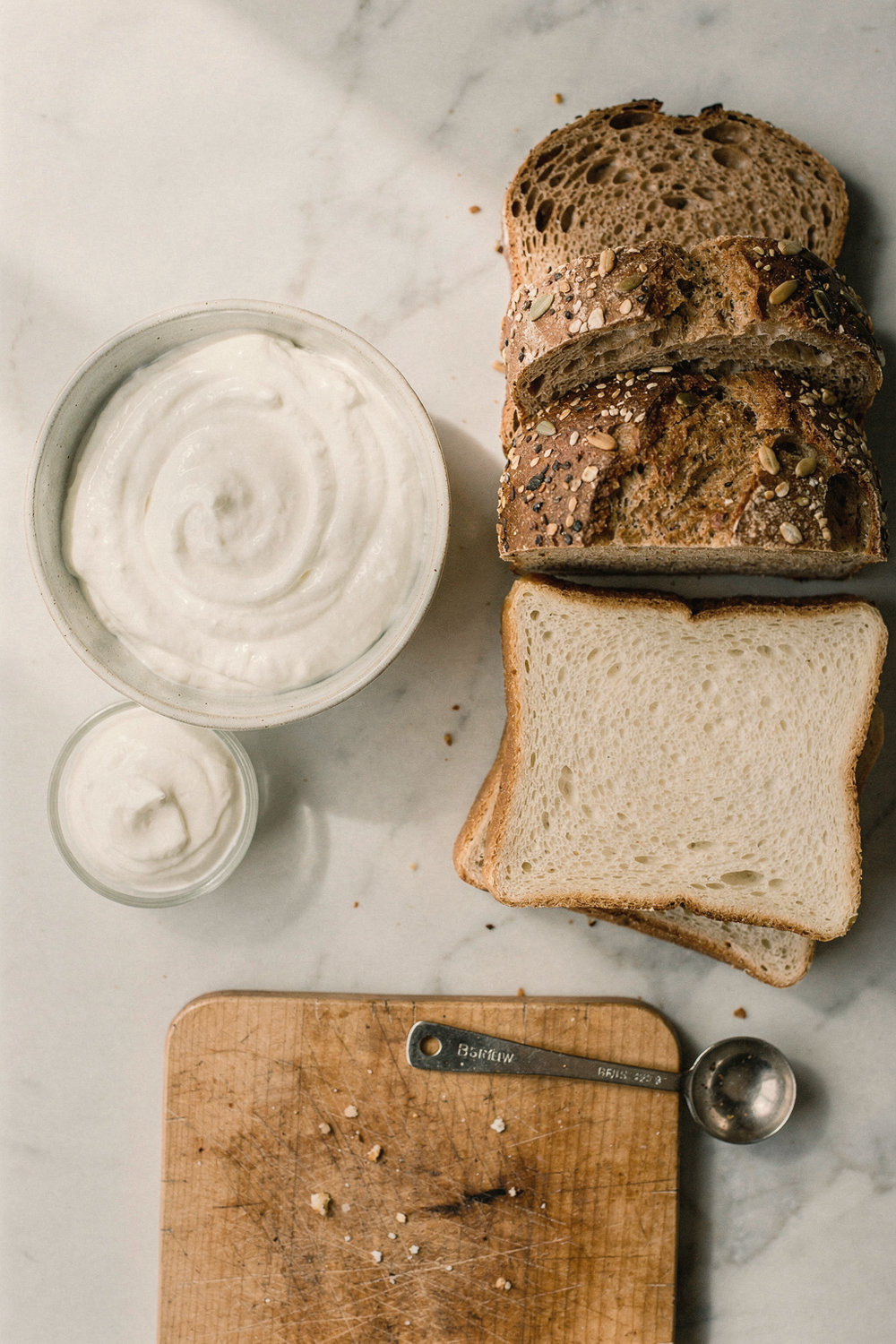
Phase 2 introduces food swaps, not food elimination. Try Greek yogurt instead of sour cream. Try whole grain bread instead of white. The system is not removing foods from your life. It is giving you better options and letting you decide. The distinction matters because swaps feel like upgrades. Elimination feels like punishment.
Where the debate falls apart
The healthy eating system does something clean eating cannot: it teaches you to read nutrition labels. Phase 2 explicitly includes examine 5 products for ingredients, serving sizes, and nutritional content. Clean eating would say avoid products with labels entirely. The system says learn to read them so you can make informed choices anywhere.
Phase 3 goes further. It studies macronutrient functions and micronutrient sources. It visits farmers markets. It builds a personal nutrition guide. Phase 4 explores specialized diets as knowledge, not as prescriptions. You study the Mediterranean diet and plant-based diets to understand their principles, not to adopt them wholesale.
The system builds nutritional literacy. Clean eating builds nutritional compliance. Literacy survives a work trip. Compliance does not.
Wellbody's healthy eating plan never bans a single food. Phase 2 introduces food swaps, not food elimination. Phase 3 teaches nutrition label reading. Phase 4 studies specialized diets as knowledge. The system builds nutritional literacy so you can make informed choices in any situation, not just at home with a meal plan.
Wellbody builds the system for you.
3 daily actions across fitness, nutrition, mindfulness, and recovery.



The system-level answer
The question is not which approach is healthier. Both encourage whole foods and home cooking. The question is which approach survives contact with real life.
Clean eating requires a controlled environment to work. When the environment changes, the rules become obstacles. You cannot eat clean at a restaurant you did not choose. You cannot eat clean at a friend's dinner party without making it weird. Every deviation feels like failure.
Balanced eating requires knowledge, which you carry everywhere. When you understand macronutrients, you can build a reasonable meal from any menu. When you can read labels, you can navigate any grocery store. When you have practiced mindful eating, you can moderate without a rulebook.
The practical reframe
Stop choosing between clean and balanced. Start asking what you understand about the food you eat. If you can explain why protein matters at breakfast, why fiber affects your energy, and why a piece of birthday cake does not undo a week of good choices, you have nutritional literacy. That is what lasts.
The system spends 40 weeks building that literacy because it knows something clean eating does not: the goal is not a perfect diet. The goal is a person who understands food well enough to eat well in any situation for the rest of their life.
About Wellbody
Wellbody is a body-health app that replaces the stack. One goal. Three daily actions. Fitness, nutrition, mindfulness, and recovery - connected behind the scenes so you don't have to manage the pieces. The plan adjusts around what you actually did today, and grows with you: month six looks nothing like month one. No dashboards, no re-planning. You just keep showing up.