
When you injure a shoulder, elbow, wrist, or neck, the instinct is to do one of two things: rest completely until it stops hurting, or push through and hope it sorts itself out. Both tend to backfire. Rest too long and the area stiffens and weakens. Push too hard and you reaggravate the injury and start over.
Wellbody's Recover from an Upper Body Injury goal takes a steadier path. It rebuilds function in phases, each one earning the right to the next. Here is what the first three months actually look like, and why the early weeks deliberately ask for so little. As always, this is general guidance, not a substitute for advice from a clinician who has assessed your specific injury.
Weeks 1 to 8: Initial recovery
The first phase is called Initial Recovery, and it runs roughly 4 to 8 weeks. The focus is healing and getting basic mobility back without aggravating anything. The key activities are gentle: daily range-of-motion movement for the affected area, ice therapy to manage swelling, passive stretching with a towel or strap, and proper rest and elevation.
There is one rule that governs everything in this phase: stay within pain-free movement. You move the joint as far as it will go comfortably and no further. The point is not to make progress feel dramatic. It's to remind the area how to move and to keep tissue from stiffening while it heals.
This phase also includes something easy to overlook: education. Reading about the anatomy of the upper body and how these injuries heal is built in on purpose. Understanding what's happening under the skin makes the slow pace feel like a plan instead of a punishment, and it helps you tell the difference between normal recovery discomfort and a signal to back off.
Weeks 8 to 12: Mobility and stability
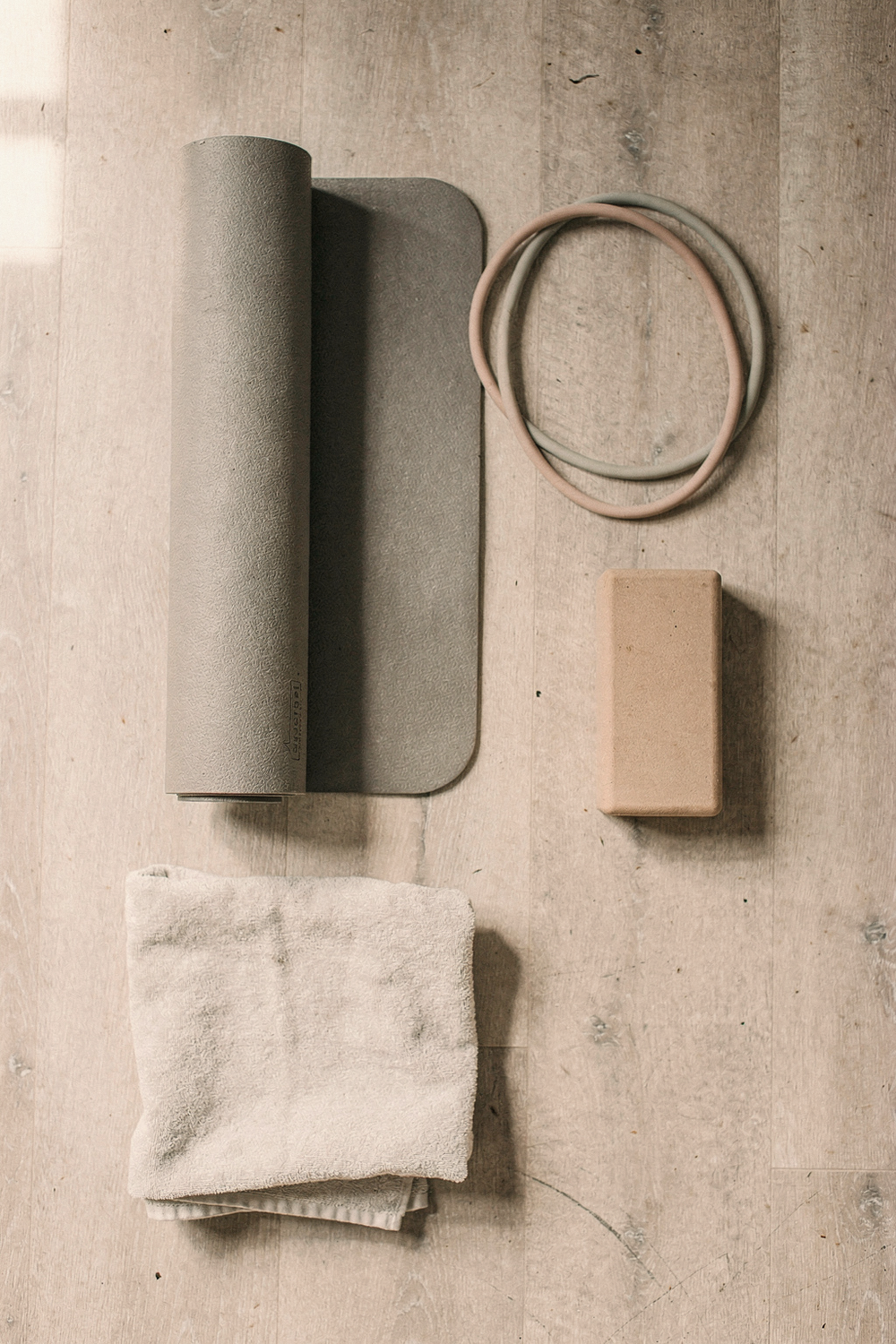
Once the area calms down, the plan shifts into Mobility and Stability. This phase moves from passive to active. You start gentle active range-of-motion movements that engage the muscles around the injury, still without pain. You add light stability work, like isometric holds with a resistance band or a small weight, where you hold a position rather than move through a heavy one.
Two supporting threads enter here and they matter more than they look. The first is core work like planks and bridges, because a stable midsection takes load off the upper body and gives the shoulders and neck a steadier base to work from. The second is posture correction, because the way you sit and stand all day quietly determines how much strain lands on the area you're trying to heal.
Throughout this phase you keep a simple journal tracking pain levels, mobility, and how confident you feel moving. That last column is not fluff. After an injury, hesitation can linger long after the tissue has healed, and watching your own confidence climb week over week is part of the recovery.
The first three months are deliberately patient. Gentle movement and ice come before active work, and active work comes before strength. The plan never lets you skip a layer, because rushing past pain-free movement is the fastest way back to week one.
Around month 3: Easing toward strength
By the end of three months, you are arriving at the doorway of the next phase, Strengthening and Functionality. This is where the plan begins to rebuild real capacity: gradual, progressive resistance work tailored to the upper body, and functional movement that mirrors the everyday motions you actually need, like reaching overhead, carrying groceries, or pushing a door.
Wellbody builds the system for you.
3 daily actions across fitness, nutrition, mindfulness, and recovery.


The word that defines this transition is gradual. Resistance increases in small steps, only as the previous step stops feeling demanding. Low-impact movement like brisk walking keeps your overall fitness up without stressing the healing area. The aim is to rebuild strength and trust in the joint at the same pace, so that movement starts to feel like yours again rather than something you're carefully managing.

The supports running underneath all three months
Recovery is never just the exercises. The plan leans on several supports the whole way through. Nutrition skews toward protein to give healing tissue the raw material it needs. Sleep is treated as a recovery tool in its own right, with a target of 7 to 9 hours, because most repair happens while you rest. Mindfulness shows up to manage the stress and frustration that a slow recovery naturally brings.
Post-session stretching and hydration round it out. None of these are dramatic, and that's the point. They're the quiet conditions that let the visible work actually take hold, and they run continuously from week one rather than being added at the end.
What the first three months really build
Step back and the shape of these three months is clear. Phase 1 protects and reawakens the area. Phase 2 restores mobility and the stability to use it. And the threshold of Phase 3 begins turning that restored movement back into strength. Each layer is built on the one before, which is why the plan refuses to let you skip ahead.
It can feel slow in the moment. But three patient months that respect pain-free movement, support healing with sleep and nutrition, and rebuild confidence alongside capacity will get you further than three impatient ones that keep sending you back to the start. Recovery is not the time you wait through. It is the work itself.
About Wellbody
Wellbody is a body-health app that replaces the stack. One goal. Three daily actions. Fitness, nutrition, mindfulness, and recovery - connected behind the scenes so you don't have to manage the pieces. The plan adjusts around what you actually did today, and grows with you: month six looks nothing like month one. No dashboards, no re-planning. You just keep showing up.