
Recovery sounds passive. Rest. Sleep. Take a day off. But when you look at a structured recovery optimization plan, the first thing it asks you to do is not rest. It is track. Here is what intentional recovery actually looks like across four phases and 54 weeks.
Phase 1: Introduction to recovery (weeks 1-6)
Phase 1 is called Introduction to Recovery, and it is mostly journaling. Week 1 actions include Assess Current Habits, Evening Reflection, Journaling Practice, Midweek Review, and Weekly Reflection. You journal every day. You track your activities, sleep patterns, and recovery practices in a notebook for 10 minutes each night.
Alongside the journaling, you do two other things: gentle stretching (15-minute sessions, 2 to 3 times per week) and hydration (8 glasses of water daily). That is it. No ice baths. No compression boots. No supplements. A journal, some stretching, and water.
The rationale is direct: starting with foundational activities that can be combined helps in forming a solid base. The system needs 6 weeks of data about your current recovery patterns before it can suggest any changes. You cannot optimize what you have not measured.

Phase 2: Techniques exploration (weeks 7-16)
Phase 2 is where recovery gets active. You experiment with active recovery: low-intensity activities like walking, yoga, and swimming 2 to 3 times per week. You incorporate specific mobility and flexibility exercises. You begin tracking recovery metrics using apps or journals, monitoring sleep quality and perceived recovery.
The hydration focus intensifies: 8 glasses daily plus nutrient timing around workouts. The system is now connecting your nutrition to your recovery in ways Phase 1 journaling helped you see.
The key shift in Phase 2 is from observation to experimentation. Phase 1 asked you to watch. Phase 2 asks you to try. The rationale explains it: exploring various recovery techniques in depth allows you to identify which methods work best for you. Not which methods are popular. Which ones work for you specifically.
Wellbody's recovery plan spends its first 6 weeks on journaling, stretching, and hydration before introducing any recovery techniques. Phase 2 then experiments with active recovery and mobility work. Contrast therapy does not appear until Phase 3. The system knows that advanced recovery techniques without baseline data and basic habits are just expensive guessing.
Beyond month 3: Where advanced strategies begin
Three months gets you solidly into Phase 2. Here is where the journey goes from there. Phase 3 introduces the advanced techniques most people start with. Contrast therapy: hot and cold exposure after workouts, 1 to 2 times per week. Stress management through mindfulness and breathing exercises. And the critical addition: connecting recovery to performance by correlating your recovery practices with your training metrics.
That last element is what separates intentional recovery from passive rest. You are now tracking cause and effect. When you foam rolled Tuesday, did Wednesday's workout improve? When you skipped the cold plunge, did Thursday's soreness increase? The monthly evaluation becomes a structured analysis of what actually works, not what feels like it works.
Wellbody builds the system for you.
3 daily actions across fitness, nutrition, mindfulness, and recovery.


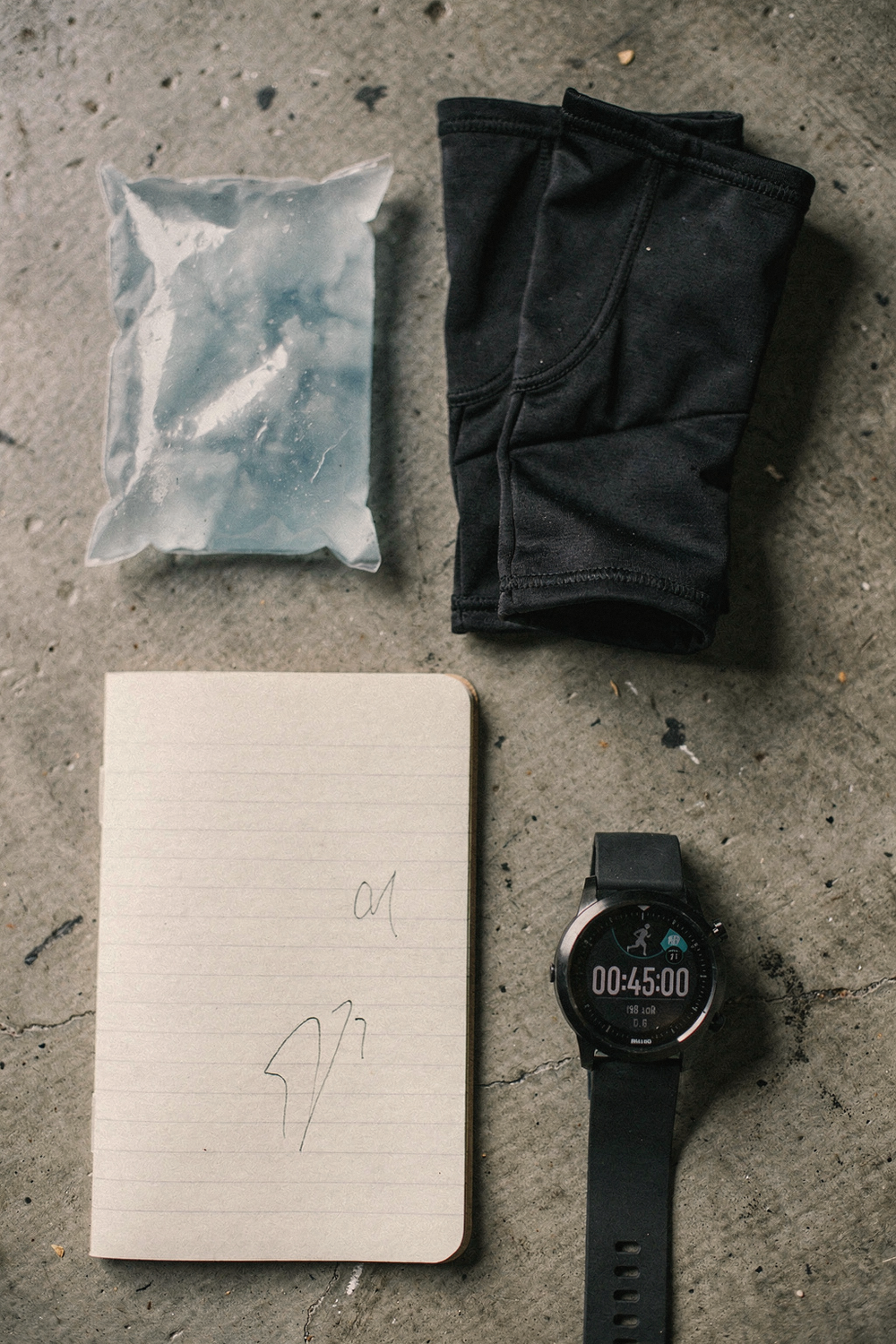
The long game: Mastery and leadership
Phase 4 does something unexpected: it asks you to teach. You create a comprehensive recovery toolkit compiling every technique that proved effective. You organize informal recovery sessions with peers. You analyze long-term recovery data monthly and stay current on recovery research.
Teaching is not a vanity exercise. It forces you to organize your knowledge, identify what you actually understand versus what you just do by habit, and stay accountable to a standard. The system includes a leadership element because mastery without teaching becomes stale.
What the progression reveals
The measurement system evolves across all four phases. Phase 1: qualitative journaling about how you feel. Phase 2: quantitative metrics using apps for sleep quality and perceived recovery. Phase 3: causal analysis correlating recovery with performance. Phase 4: longitudinal pattern analysis across months.
That progression mirrors how expertise develops in any field. You start by noticing, then measuring, then connecting cause to effect, then seeing patterns across time. Most people skip straight to Phase 3 techniques without the awareness that makes them useful. They buy the foam roller but never learn which muscles actually need it.
Three months gets you through Phase 1 and into Phase 2. That is enough to transform recovery from something you do when you are sore into something you do deliberately, with data, every week. The ice baths can wait. The journal cannot.
About Wellbody
Wellbody is a body-health app that replaces the stack. One goal. Three daily actions. Fitness, nutrition, mindfulness, and recovery - connected behind the scenes so you don't have to manage the pieces. The plan adjusts around what you actually did today, and grows with you: month six looks nothing like month one. No dashboards, no re-planning. You just keep showing up.