
The first week of changing how you eat for more energy is not about building the perfect diet. It is about building the awareness you need before any dietary approach can actually stick. Without a baseline, you are guessing. With one, every adjustment you make is informed.
This is a walkthrough of what the first week looks like - day by day - when you are starting from the eat-for-more-energy framework. The theme for this week is Foundational Meal Composition and Glycemic Awareness. Here is what that means in practice.
Day 1: Meal Planning Kickoff
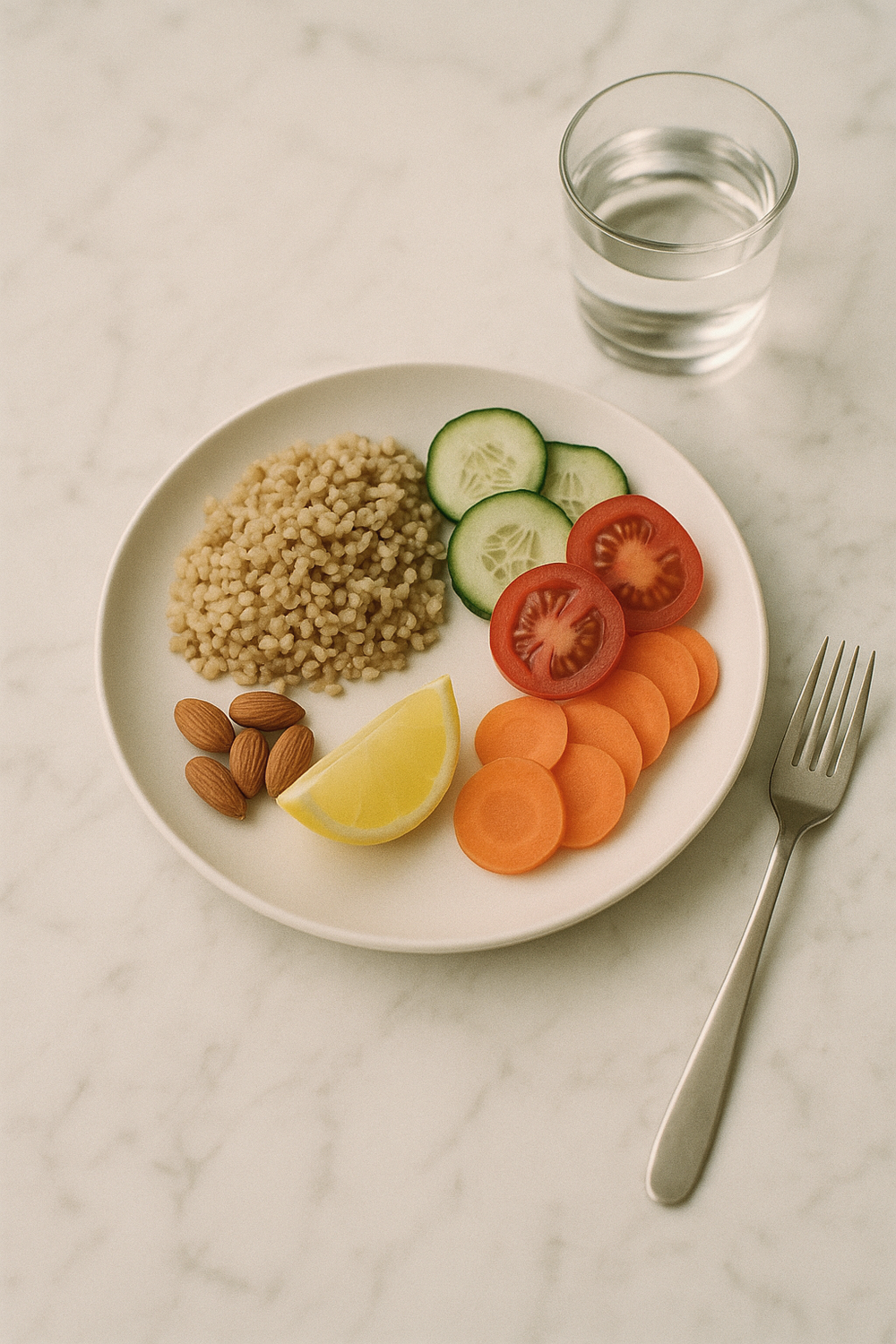
Day 1 is orientation. You are not changing what you eat yet - you are setting up the structure that will guide everything else. This means learning the balanced plate blueprint: a simple framework that puts protein, complex carbohydrates, healthy fats, and vegetables in proportion on each plate.
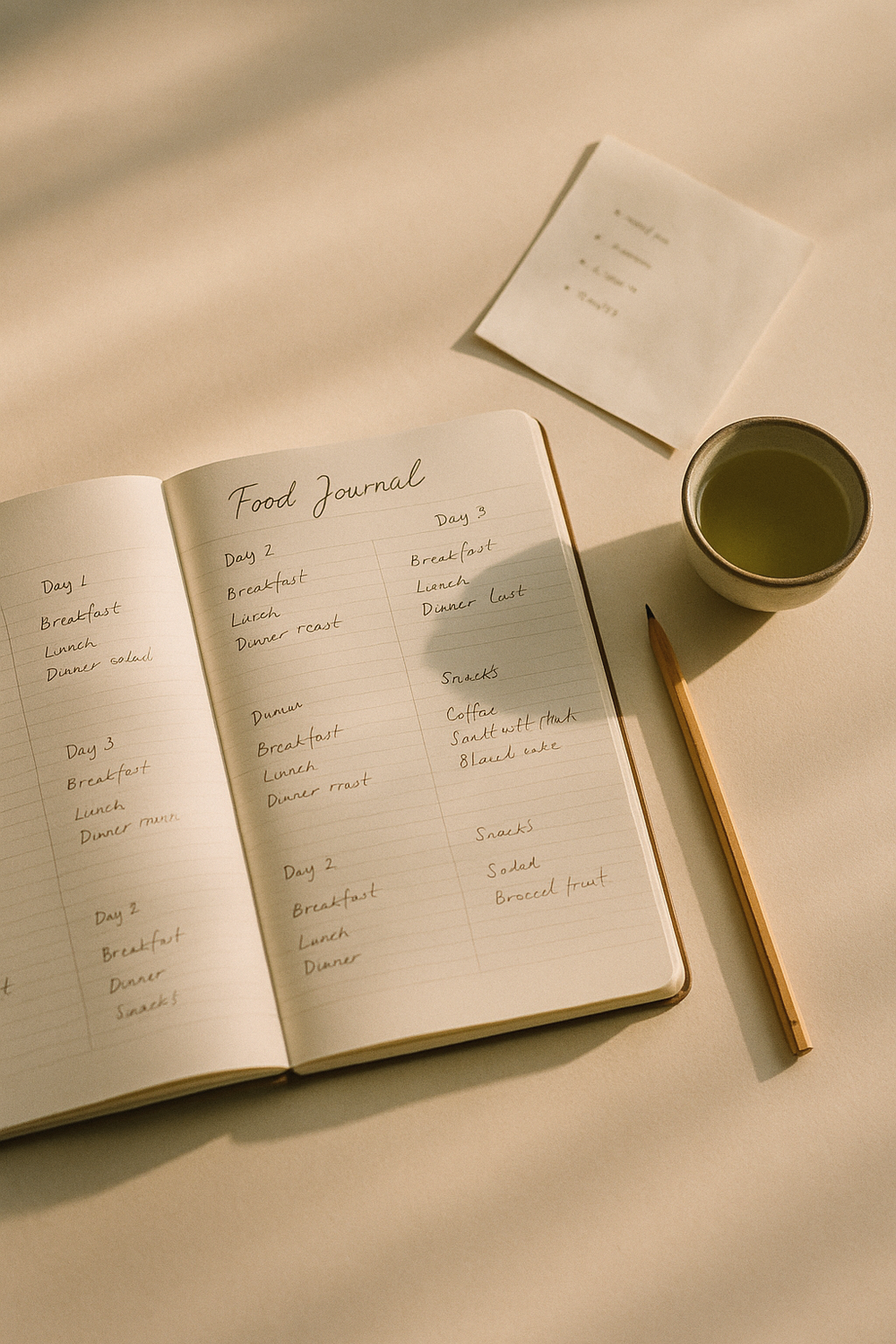
The second action today is the beginning of glycemic awareness - learning which foods raise blood sugar quickly and which raise it slowly. You do not need to memorize a list. You need to understand the concept well enough to recognize it in your own meals. Start a food diary today, even if it is just a notes app on your phone.
Day 2: Research and Reflection
Day 2 is about documenting what you learned from Day 1 and beginning to apply glycemic awareness to your actual eating. Look at what you ate yesterday - not to judge it, but to identify which meals likely caused energy spikes and crashes and which ones sustained you.
Today you also start noticing the mood-food connection. Energy crashes are not just physical - they affect your mood, patience, and ability to focus. Note any patterns between what you ate and how you felt two hours later. These observations are data, and they are more useful than any generic food rule.
Day 3: Meal Composition in Action
Day 3 is when the concept becomes a meal. Using the balanced plate blueprint from Day 1, build your first intentional meal - one that combines a protein source, a low-glycemic carbohydrate, a fat source, and a vegetable. This does not have to be elaborate. A piece of salmon, a small portion of brown rice, some olive oil, and roasted broccoli is exactly the structure.
After the meal, take a short walk - 10 to 15 minutes. Light post-meal movement improves blood sugar management and digestion. It also gives you a real-time data point: does physical movement after eating affect how you feel an hour later? Most people notice it does.
Day 4: Midweek Check-In
Review your food diary from Days 1 through 3. Look for: meals that held your energy steady versus meals that created a slump, foods you genuinely enjoyed versus foods that felt like homework, and any logistics that made eating well harder than it needed to be. Use these observations to adjust your plan for Days 5 through 7.
Day 5: Building on Foundations
Day 5 builds directly on your midweek insights. Create a second intentional meal - this time with more confidence in the structure because you have already done it once. The goal today is also to experiment with a low-glycemic food you have not been eating regularly. Lentils, steel-cut oats, sweet potato, or barley are good starting points.
Day 5 is also where most people notice the first real shift in their eating. The food diary from Days 1-3 has given them something they did not have before: actual data about their own patterns. Experimenting from a position of awareness - rather than trying rules out in the dark - is what makes the second half of the week feel fundamentally different from the first.
Wellbody builds the system for you.
3 daily actions across fitness, nutrition, mindfulness, and recovery.


The second action today is paying deliberate attention to eating - not rushing through a meal, not eating at a desk, not eating while looking at a screen. Eating slowly enough to notice flavors and fullness cues is a foundational skill for energy-based eating, not an optional extra.
Day 6: Final Meal Creation
Day 6 is the third and final meal creation of the week. By now you have a clearer sense of what the balanced plate framework actually means for your food preferences and schedule. Use that knowledge to build a meal you would genuinely repeat - not the most nutritionally optimal meal you can imagine, but one you would actually make again on a regular Tuesday.
Complete your integration of low-glycemic foods today by identifying two or three that you can incorporate regularly without it feeling like a dietary restriction. These become your go-to defaults - the foods you reach for without thinking about it.
Day 7: Wrap-Up and Reflection
Day 7 is a full review session. Read through your food diary from the full week. Look at what you ate, how you felt, and where the gaps were. Write down the two or three meals that worked best and the one or two patterns that created energy problems. This review is the foundation of your Week 2 plan.
The last action of the week is planning for Week 2. You are not starting over - you are building on what you now know about your own patterns. Set out the structure: which meals you will repeat, which low-glycemic foods you will keep using, and which one thing you want to improve.
What happens after the first week
Week 1 is the data-collection phase. Week 2 and beyond are where you start to refine. You now have a real baseline - meals that worked, foods that fit your schedule, and a clearer picture of how what you eat connects to how you feel. Most people are surprised by how quickly a few consistent changes shift their energy. Not dramatically, but noticeably. That noticeability is the thing that makes the second week easier than the first.
About Wellbody
Wellbody is a body-health app that replaces the stack. One goal. Three daily actions. Fitness, nutrition, mindfulness, and recovery - connected behind the scenes so you don't have to manage the pieces. The plan adjusts around what you actually did today, and grows with you: month six looks nothing like month one. No dashboards, no re-planning. You just keep showing up.